
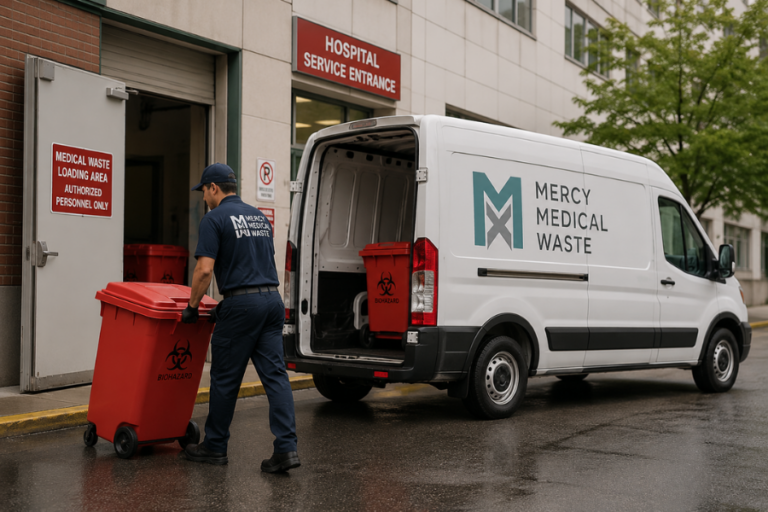
Healthcare facilities generate waste that requires safe handling, proper treatment, and legal disposal. Choosing the right provider is important because it affects patient safety, staff protection, regulatory compliance, and your clinic’s reputation.
If you’re comparing providers, focus on compliance, collection schedules, waste treatment methods, staff training, and customer support. A reliable partner should help your clinic manage waste safely while meeting all federal, state, and local requirements.
Why Choosing the Right Medical Waste Disposal Partner Matters
Every clinic produces different types of regulated waste. Items such as used needles, contaminated gloves, blood-soaked materials, laboratory waste, and pharmaceutical by-products must be handled correctly to reduce risks.
A dependable medical waste disposal management provider helps clinics:
- Reduce exposure risks for patients and staff
- Meet federal and local regulations
- Maintain proper documentation
- Handle waste collection on schedule
- Avoid costly fines and penalties
- Improve workplace safety practices
The right service provider becomes an important part of your clinic’s daily operations rather than simply a waste collection company.
Request a quote today and get a waste management plan designed for your clinic’s needs.
What Types of Medical Waste Does Your Clinic Generate?
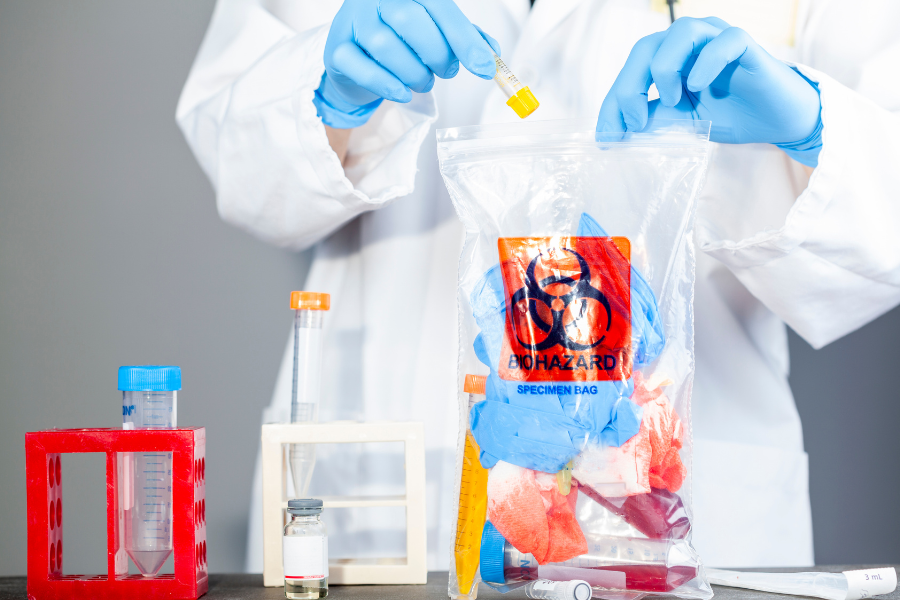
Before selecting a provider, identify the types and volume of waste your facility creates. Different clinics have different disposal requirements.
Common categories include:
- Sharps such as needles, syringes, and lancets
- Biohazard materials contaminated with blood or bodily fluids
- Pathological waste
- Pharmaceutical waste
- Laboratory waste
- Personal protective equipment (PPE)
- Dental and surgical waste
Understanding your waste stream helps determine whether a provider can meet your needs and offer suitable collection schedules.
Does the Company Follow Current Regulations?
One of the first questions to ask is whether the company follows all applicable regulations.
Medical waste disposal is governed by federal, state, and local requirements. Healthcare facilities must ensure waste is collected, transported, treated, and documented according to regulations.
A reputable provider should explain:
- Waste handling procedures
- Transportation methods
- Treatment processes
- Recordkeeping requirements
- Regulatory updates affecting healthcare facilities
Ask for proof of licensing, permits, and compliance certifications before signing a service agreement.
How Important Is OSHA Compliance Training?
Waste management goes beyond collection. Your staff must also understand how to handle regulated medical waste safely.
Many providers offer OSHA compliance training as part of their services. This training can help employees learn proper waste segregation, container usage, exposure prevention, and workplace safety procedures.
When evaluating vendors, ask:
- Is staff training included?
- How often is training updated?
- Are compliance records provided?
- Is training available online or on-site?
Training support can help reduce workplace incidents and improve compliance efforts.
Evaluate Their Biohazard Waste Handling Process
Not all providers offer the same level of service. Clinics should carefully review how biohazardous materials are managed from pickup through final treatment.
Reliable biohazard waste disposal services should provide:
- Clearly labeled containers
- Scheduled pickups
- Secure transportation
- Approved treatment methods
- Proper destruction documentation
The company should be transparent about how waste moves through the disposal process and what safeguards are in place.
Why professional biohazard waste disposal services matter to understand how proper handling and treatment help protect healthcare workers, patients, and the environment.
Sharps Disposal: A Critical Service for Every Clinic
Needles and other sharp instruments present significant injury and infection risks when handled improperly.
Effective sharps disposal programmes should include approved sharps containers, regular collection schedules, and compliant disposal methods.
Questions to ask include:
- Are sharps containers provided?
- How often are pickups scheduled?
- Are emergency pickups available?
- What documentation is supplied after disposal?
A strong sharps management program helps protect healthcare workers from accidental injuries and exposure incidents.
Sharps Disposal 101: What Clinics, Labs and Vets Need to Know for practical guidance on container requirements, collection schedules, and safe disposal practices.
Book Your Waste Collection Service Today
Get safe, compliant disposal services and keep your clinic running without interruptions.
Consider Collection Frequency and Flexibility
Medical waste generation varies between facilities. Some clinics need weekly pickups, while others may require more frequent service.
A good provider should offer flexible scheduling that matches your clinic’s workload.
Factors to consider include:
- Routine collection schedules
- On-demand pickup options
- Holiday service availability
- Emergency response capability
- Scalability for future growth
Choosing a provider that can adapt to changing needs helps avoid disruptions and waste accumulation.
Ask About Treatment and Disposal Methods
Understanding how waste is treated after collection is essential.
Different treatment methods may include:
- Autoclaving
- Incineration
- Chemical treatment
- Alternative sterilization technologies
The provider should clearly explain which methods are used and why they are appropriate for your waste stream.
Responsible medical waste disposal management involves safe treatment processes that minimize environmental impact while meeting regulatory requirements.
Review Documentation and Tracking Systems
Accurate recordkeeping is a major part of healthcare compliance.
Your waste disposal provider should offer detailed tracking and documentation for every pickup and disposal event.
Important records may include:
- Waste manifests
- Collection reports
- Certificates of treatment
- Compliance documentation
- Training records
Digital access to records can simplify audits and regulatory inspections.
Can They Support Hospital and Multi-Site Facilities?
Some clinics expand into larger healthcare networks over time. If growth is part of your plans, choose a provider capable of handling increased waste volumes.
Providers experienced in hospital medical waste disposal often have systems that support:
- Multiple locations
- Larger waste volumes
- Specialized waste streams
- Centralized reporting
- Consistent compliance standards
Even small clinics can benefit from partnering with a company prepared to grow alongside their operations.
Compare Pricing Without Focusing Only on Cost
Cost is an important factor, but the lowest price does not always provide the best value.
When comparing proposals, review:
- Service inclusions
- Pickup frequency
- Training support
- Compliance assistance
- Documentation services
- Container supply costs
A slightly higher investment may provide stronger compliance support and reduce operational risks. Medical Waste Disposal Cost: What to Expect & How to Save Money to learn about pricing factors, service options, and ways to control waste management expenses.
Contact our team today for a custom quote and find the right waste disposal solution for your healthcare facility.
Read Reviews and Industry Feedback
One of the best ways to evaluate a provider is by reviewing customer experiences.
Look for feedback from:
- Medical clinics
- Urgent care centers
- Dental offices
- Laboratories
- Outpatient facilities
Pay attention to comments regarding reliability, responsiveness, compliance support, and customer service quality.
Consistent positive feedback often indicates dependable service.
How to Find Reliable Medical Waste Disposal Services Near You for additional tips on evaluating providers, comparing services, and selecting a dependable waste management partner.
Questions to Ask Before Signing a Contract
Before making a final decision, ask the provider several important questions.
- What licenses, permits, and certifications does your company hold?
- Do you provide OSHA compliance training for healthcare staff?
- How do you collect, transport, and dispose of biohazard waste?
- Which treatment methods are used for medical waste?
- Can pickup schedules be adjusted if our waste volume changes?
- What documentation and compliance reports are included with the service?
- Do you offer emergency or on-demand waste pickups?
- Can you support hospital medical waste disposal requirements if our facility expands?
These questions can help identify whether a provider is a good fit for your clinic’s needs.
Why Healthcare Facilities Trust Mercy Medical Waste
Healthcare providers need a waste management partner that understands safety, compliance, and operational efficiency.
Mercy Medical Waste works with healthcare facilities to support responsible waste handling, regulatory compliance, staff safety, and reliable collection services. From Sharps Disposal solutions to biohazard waste disposal services, choosing an experienced provider can help clinics stay focused on patient care while maintaining proper waste management practices.
Final Thoughts
Choosing the right medical waste provider requires more than comparing prices. Healthcare facilities should evaluate compliance standards, treatment methods, training support, collection schedules, documentation systems, and customer service.
A trusted medical waste disposal management partner can help protect staff, patients, and your facility while reducing compliance risks. By taking time to assess your clinic’s needs and asking the right questions, you can select a provider that supports safe and efficient waste handling for years to come.
Ready to Improve Your Clinic’s Waste Management?
If you’re reviewing your current waste disposal process or planning a new healthcare facility, now is a good time to explore professional solutions. Speak with a specialist, request a service assessment, or contact the team to learn how the right waste management program can support your clinic’s daily operations and compliance goals.
