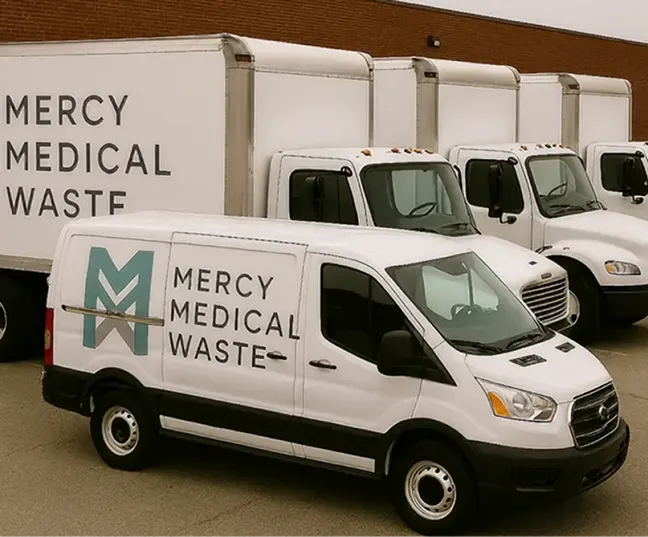
Hazardous drug disposal is essential for protecting healthcare staff, patients, and the environment from exposure to toxic pharmaceutical waste. With Mercy Medical Waste, facilities get dependable, regulation-ready service designed to reduce risk and control costs.
Our hazardous drug disposal solutions ensure these materials are managed safely from collection through final treatment, using approved containment and tracking procedures.
Mercy Medical Waste helps healthcare facilities maintain compliance with safety standards while reducing the risks associated with improper pharmaceutical disposal.


Request a quote or pickup frequency that fits your facility's schedule.
Our trained team ensures your waste is handled safely and securely from your facility to our processing centers.
Every container is tracked with a complete chain of custody and accompanying manifests, giving you full documentation and peace of mind that your waste is handled properly and compliantly.
We strictly follow OSHA, EPA, and DOT regulations at every stage, keeping your facility compliant and your staff protected.
All waste is disposed of in accordance with best practices, minimizing environmental impact while maximizing safety.
Personalised support backed by strong resources
Meeting DOT, OSHA, and EPA guidelines
No unexpected charges
Services built around your schedule
Eco-friendly handling and treatment
- Dr. Lisa K., Dental Clinic, Illinois
- Mark S., Hospital Administrator, Texas
- Sarah T., Lab Manager, Florida
Hazardous drug disposal is the regulated process of collecting, transporting, and treating pharmaceutical waste that poses health or environmental risks. Proper disposal prevents contamination, protects healthcare workers, and ensures legal compliance. These medications can contain toxic or carcinogenic components, making standard trash disposal unsafe. Using certified disposal services ensures secure handling, accurate documentation, and environmentally responsible treatment methods that meet federal and state safety standards.
Hazardous pharmaceuticals include drugs identified by regulatory agencies as toxic, reactive, carcinogenic, or environmentally harmful. Common examples are chemotherapy agents, antineoplastic drugs, certain antivirals, and RCRA-listed medications. USP <800> also defines specific handling requirements for hazardous drugs in healthcare settings. Facilities must identify, separate, and manage these medications using approved containment systems to prevent exposure risks and regulatory violations.
Healthcare facilities should store hazardous drug waste in clearly labeled, leak-resistant containers designed for pharmaceutical disposal. Containers must remain closed when not in use and be placed in secure areas to prevent unauthorized access. Staff should follow documented handling procedures and maintain accurate waste logs. Proper storage minimizes exposure risks, ensures compliance during inspections, and prepares waste for safe transportation and treatment.
Hazardous pharmaceutical waste is regulated by multiple agencies that oversee environmental protection, worker safety, and transportation standards. Facilities must comply with federal waste regulations, occupational safety requirements, and transport rules, along with state-specific laws. These frameworks ensure waste is identified, packaged, documented, and processed using approved methods. Working with certified disposal providers helps facilities meet all legal obligations efficiently.
Collection frequency depends on facility size, waste volume, and regulatory requirements. Many healthcare providers schedule routine pickups to prevent overflow and maintain compliance. High-volume facilities may require more frequent service, while smaller practices can use flexible scheduling. A structured collection plan ensures waste does not accumulate beyond safe limits and supports consistent, compliant Hazardous Drug Disposal practices.
Compare your current provider’s pricing and start saving today.