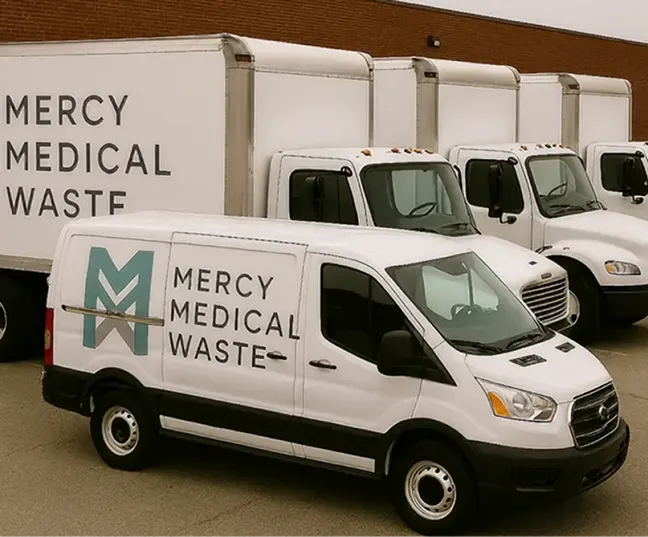
Biohazard waste, also known as infectious waste, includes any material that may contain blood, body fluids, or infectious agents. If left unmanaged, it can pose serious health risks to staff, patients, and waste handlers. That’s why Mercy Medical Waste provides professional biohazard waste disposal services, ensuring proper handling, transportation, treatment, and disposal in full compliance with health and environmental regulations.
Understanding what qualifies as biohazard waste helps your team separate and dispose of it correctly — a key step in avoiding compliance issues and workplace hazards.
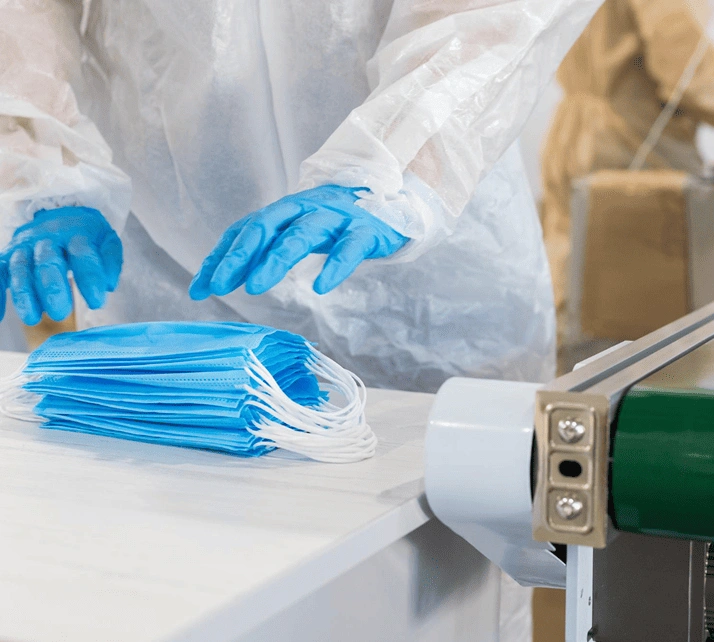
At Mercy Medical Waste, our Medical Waste Disposal services ensure all biohazard materials are handled in full compliance with federal and state laws. Mercy Medical Waste helps facilities avoid violations while maintaining a safe, compliant, and efficient work environment.

Request a quote or pickup frequency that fits your facility's schedule.
Our trained team ensures your waste is handled safely and securely from your facility to our processing centers.
Every container is tracked with a complete chain of custody and accompanying manifests, giving you full documentation and peace of mind that your waste is handled properly and compliantly.
We strictly follow OSHA, EPA, and DOT regulations at every stage, keeping your facility compliant and your staff protected.
All waste is disposed of in accordance with best practices, minimizing environmental impact while maximizing safety.
Stay worry-free with full adherence to OSHA, HIPAA, EPA, and DOT regulations.
Consistent pickups scheduled around your facility's needs.
Honest, all-inclusive pricing:
You’ll never find hidden fees, taxes, surcharges, environmental charges, or fuel costs.
Environmentally responsible treatment and disposal.
A live U.S.-based support team available when you need it.
- Dr. Lisa K., Dental Clinic, Illinois
- Mark S., Hospital Administrator, Texas
- Sarah T., Lab Manager, Florida
Biohazard waste includes any material contaminated with blood, bodily fluids, or potentially infectious substances that can pose a health risk. This often includes used needles and sharps, blood-soaked bandages, laboratory cultures, pathological waste, and contaminated personal protective equipment (PPE). Healthcare facilities, dental clinics, laboratories, and veterinary practices commonly generate this type of regulated medical waste, which must be handled and disposed of according to strict safety guidelines.
Pickup frequency depends on the volume of waste generated, storage capacity, and local regulations. High-volume facilities such as hospitals may require weekly or even multiple pickups per week, while smaller clinics or offices may schedule biweekly or monthly service. It’s important to follow state and federal guidelines regarding storage time limits to prevent contamination, odours, and compliance violations.
No, biohazard waste should never be placed in regular trash. Materials contaminated with blood, sharps, or infectious agents must be disposed of in properly labelled, approved biohazard containers. Placing regulated medical waste in standard rubbish bins can create serious health risks for sanitation workers and the public and may result in significant fines or legal penalties for non-compliance.
After collection, biohazard waste is transported by licensed carriers to authorised treatment facilities. The waste is typically treated through processes such as autoclaving (steam sterilisation), incineration, or chemical disinfection to eliminate harmful pathogens. Once treated and deemed safe, the remaining material can be disposed of in approved landfill facilities in accordance with environmental and public health regulations.
Compare your current provider’s pricing and start saving today.