
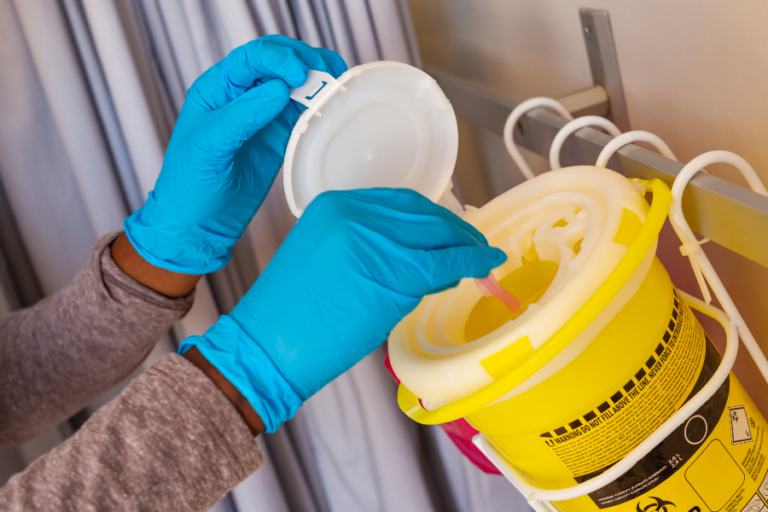
Healthcare facilities generate sharp medical items every day. Needles, scalpels, syringes, and lancets are all necessary for patient care, but they also pose safety and compliance risks if not handled properly. A reliable sharps container disposal service helps clinics, laboratories, and veterinary practices reduce workplace injuries, stay compliant with regulations, and maintain a safer environment for staff and patients.
For medical facilities, proper sharps handling is not only about safety. It also protects your reputation, prevents fines, and supports responsible healthcare waste practices. This guide explains how sharps disposal works, why it matters, and what healthcare providers should know about safe waste handling.
What Is Sharps Waste?
Sharps waste includes any medical item that can puncture or cut skin. These materials may contain bloodborne pathogens or harmful contaminants, making proper disposal critical.
Common examples include:
- Needles
- Syringes
- Lancets
- Scalpels
- Razor blades
- Broken glass contaminated with medical waste
- Auto-injectors
- IV catheter needles
Healthcare providers, dental clinics, laboratories, pharmacies, urgent care centres, and veterinary clinics all generate sharps waste regularly.
Without the right disposal process, these items can expose staff and sanitation workers to infections such as Hepatitis B, Hepatitis C, and HIV.
Why Proper Sharps Disposal Matters
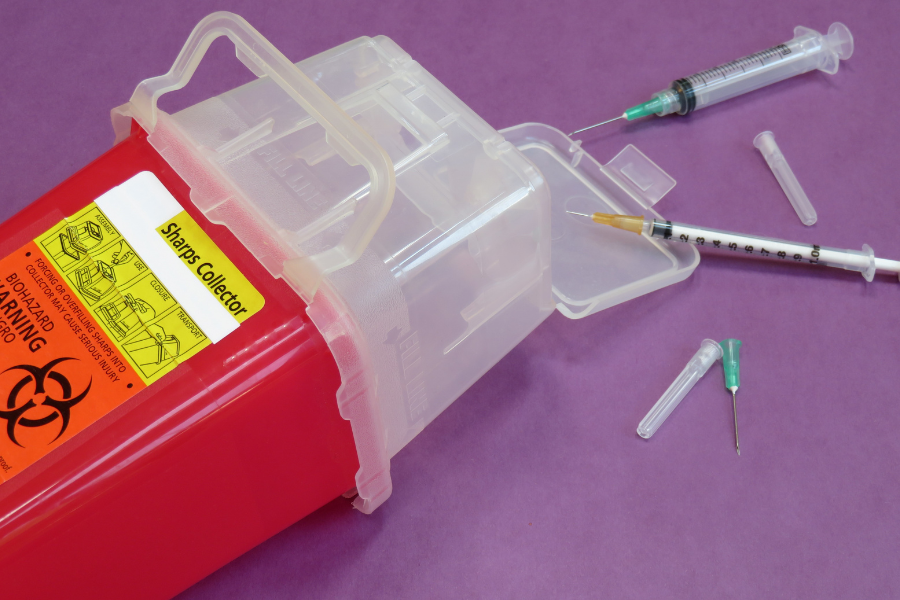
Improper disposal creates serious risks for healthcare facilities. Used needles or sharp instruments left in regular trash can cause accidental injuries and contamination.
A professional sharps container disposal service helps facilities:
- Reduce needle-stick injuries
- Meet OSHA and state compliance requirements
- Maintain workplace safety standards
- Prevent contamination risks
- Improve infection control practices
- Support proper Medical Waste Disposal Management
Healthcare inspections often include waste handling procedures. Improper sharps disposal can result in penalties, legal issues, and operational disruptions.
Keep your workplace compliant and training records organized with our easy-to-use online OSHA Compliance Program. Access tools, track requirements, and start managing compliance with confidence through Mercy Medical Waste.
Get started today and set up your OSHA compliance program with our team.
How Does a Sharps Container Disposal Service Work?
A sharps disposal provider supplies approved puncture-resistant containers for collecting used sharps safely. Once containers reach the fill limit, they are collected, transported, treated, and disposed of according to regulations.
The process usually includes:
Container Placement
Containers are placed in treatment rooms, labs, exam areas, and procedure stations for easy access.
Safe Collection
Staff place used sharps directly into approved containers immediately after use.
Scheduled Pickup
Licensed waste professionals collect filled containers based on the facility’s waste volume and schedule.
Transportation and Treatment
Waste is transported using compliant methods and treated through approved medical waste disposal processes.
Documentation
Facilities receive disposal records and compliance documentation for regulatory purposes.
This structured system supports safer operations and organised medical waste disposal management for healthcare facilities of all sizes.
Need reliable sharps pickup services? Schedule your medical waste collection with Mercy Medical Waste today.
What Type of Sharps Containers Should Healthcare Facilities Use?
Not all containers are the same. Healthcare facilities should use FDA-cleared and OSHA-compliant sharps containers designed to prevent leaks and punctures.
Important features include:
- Puncture-resistant material
- Leak-resistant sides and bottom
- Clearly labelled biohazard markings
- Secure closing lids
- Proper sizing for the facility’s needs
Wall-mounted containers are often used in patient care rooms, while portable containers may work better for mobile healthcare services and veterinary visits.
What Happens If Sharps Waste Is Disposed of Incorrectly?
Improper disposal can lead to workplace injuries, contamination, and regulatory violations. One needle-stick injury can create serious health concerns and costly investigations.
Common disposal mistakes include:
- Overfilling sharps containers
- Throwing sharps into standard trash bins
- Leaving containers open
- Using non-approved containers
- Storing medical waste for too long
Even small clinics can face compliance issues if waste handling procedures are not followed correctly.
A dependable sharps container disposal service reduces these risks and helps staff follow safer disposal habits.
Keep your clinic compliant and safe. Call now to schedule your sharps waste pickup service.
Sharps Disposal Requirements for Clinics
Clinics generate a steady amount of sharps waste every day. From vaccinations to blood draws and injections, disposal procedures should be part of the daily workflow.
Best Practices for Clinics
Healthcare clinics should:
- Place sharps containers close to treatment areas
- Train employees on proper disposal procedures
- Replace containers before they become full
- Keep disposal records organised
- Work with licensed waste disposal providers
Regular staff training also helps reduce accidental exposure incidents.
Sharps Disposal in Medical Laboratories
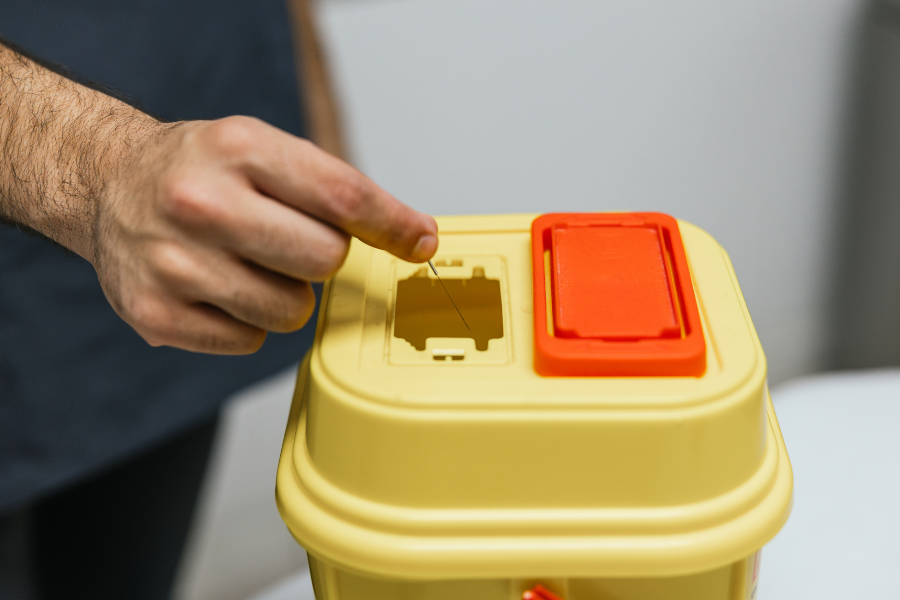
Laboratories handle needles, specimen collection tools, and contaminated glassware frequently. Since labs often process biological samples, waste handling procedures must remain consistent and organised.
Laboratories should focus on:
- Segregating sharps waste from general waste
- Using clear labelling systems
- Following strict contamination control procedures
- Maintaining documented Medical Waste Disposal Management plans
Proper storage and disposal procedures protect lab personnel and support regulatory compliance.
What Should Veterinary Clinics Know About Sharps Disposal?
Veterinary clinics generate medical sharps from vaccinations, surgeries, blood testing, and animal treatments. Disposal requirements are similar to human healthcare facilities.
Veterinary practices should avoid placing animal-related medical waste in regular trash systems. Used syringes and needles still present contamination and injury risks.
Common Veterinary Sharps Waste Includes
- Animal injection needles
- Surgical blades
- Test sample needles
- IV supplies
- Broken contaminated instruments
Working with a professional sharps container disposal service helps veterinary practices maintain cleaner and safer workspaces.
How Often Should Sharps Containers Be Replaced?
Sharps containers should never be allowed to overflow. Most safety guidelines recommend replacing containers when they reach around three-quarters full.
Replacement frequency depends on:
- Patient volume
- Type of procedures performed
- Facility size
- Number of treatment rooms
Busy healthcare environments may require weekly pickups, while smaller practices may need monthly service.
Facilities should create a consistent schedule that matches waste generation levels.
What Regulations Apply to Sharps Disposal?
Sharps disposal regulations vary by state, but most facilities must follow OSHA, EPA, DOT, and local health department guidelines.
Healthcare providers should pay attention to:
OSHA Requirements
OSHA requires employers to protect workers from bloodborne pathogen exposure through safe sharps handling procedures.
Transportation Rules
Medical waste transportation must follow Department of Transportation standards.
State Medical Waste Laws
Many states have specific storage, labelling, and disposal requirements for medical sharps.
A trusted disposal provider helps facilities stay informed about changing compliance standards.
How Proper Sharps Disposal Supports Infection Control
Infection prevention is one of the biggest reasons healthcare facilities prioritise sharps disposal. Unsafe waste handling increases exposure risks for healthcare workers, janitorial staff, and patients.
Safe disposal supports infection control by:
- Reducing accidental exposure
- Preventing contaminated injuries
- Improving treatment room safety
- Supporting clean healthcare environments
Facilities with organised medical waste disposal management systems are often better prepared for inspections and operational audits.
What Should Staff Training Include?
Staff training is essential for proper sharps handling. Every employee who handles medical waste should understand disposal procedures clearly.
Training topics should include:
- How to identify sharps waste
- Proper container use
- Safe handling procedures
- Exposure response protocols
- Container replacement guidelines
- Spill response procedures
Ongoing refresher training helps maintain consistent safety standards.
Signs Your Facility Needs Better Sharps Disposal Practices
Some warning signs indicate waste handling procedures may need improvement.
These include:
- Frequently overflowing containers
- Staff confusion about disposal procedures
- Missing disposal documentation
- Needle-stick incidents
- Improper waste segregation
- Limited container placement
Improving these areas helps healthcare facilities maintain safer day-to-day operations.
Choosing the Right Sharps Disposal Provider
Not all medical waste companies offer the same level of service. Healthcare facilities should look for providers with industry experience, reliable scheduling, and strong compliance knowledge.
When evaluating a provider, ask about:
- Pickup scheduling options
- Compliance documentation
- Emergency service availability
- Container supply management
- Staff support and training resources
- Experience with healthcare facilities
A dependable sharps container disposal service should help facilities simplify waste handling rather than create additional operational challenges.
Why Medical Waste Disposal Management Matters for Healthcare Facilities
Healthcare waste management affects safety, compliance, and operational efficiency. A clear disposal process reduces risks while helping staff stay organised.
Strong medical waste disposal management practices support:
- Workplace safety
- Regulatory compliance
- Cleaner facilities
- Reduced injury risks
- Better patient confidence
- Proper environmental handling
From small veterinary clinics to large medical laboratories, every healthcare facility benefits from structured disposal procedures.
Book your sharps disposal service today and simplify medical waste management for your facility.
Final Thoughts
Sharps disposal is an important part of healthcare operations. Clinics, labs, and veterinary practices all need safe systems for handling needles, syringes, and other sharp medical instruments.
Using a professional sharps container disposal service helps healthcare facilities reduce injuries, meet compliance standards, and maintain safer work environments. Consistent disposal procedures also support stronger infection control and smoother day-to-day operations.
Mercy Medical Waste works with healthcare providers that need reliable waste handling solutions and dependable support for safe medical waste practices. If your facility is reviewing its current disposal process, now is a good time to assess whether your waste management system is meeting your operational and compliance needs.
Frequently Asked Questions
What is considered sharps medical waste?
Sharps waste includes needles, syringes, lancets, scalpels, and other medical items capable of puncturing skin.
Can sharps containers go into regular trash?
No. Sharps containers must be collected and disposed of through approved medical waste disposal systems.
How full should a sharps container be before replacement?
Most facilities replace containers when they reach about three-quarters full to prevent overfilling risks.
Why do veterinary clinics need sharps disposal services?
Veterinary clinics generate needles, syringes, and surgical sharps that require proper disposal to reduce injury and contamination risks.
How does medical waste disposal management help healthcare facilities?
It helps healthcare providers maintain safety, improve compliance, reduce exposure risks, and organise waste handling procedures more effectively.
Need Support With Sharps Waste Disposal?
Mercy Medical Waste helps clinics, labs, and veterinary practices manage medical waste safely and efficiently. If your facility is reviewing disposal procedures or planning for safer waste handling, connect with our team to discuss service options and schedule support for your location.
