
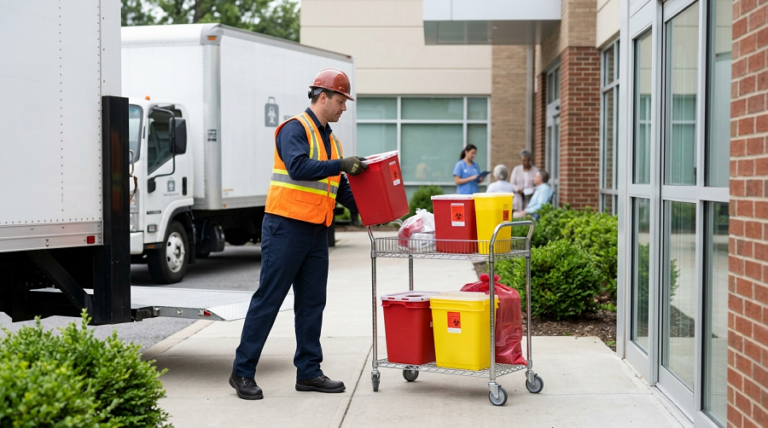
Finding reliable biohazard waste disposal services near you comes down to checking compliance, verifying certifications, reviewing service scope, and comparing pricing transparency. A trusted provider should handle collection, transport, and treatment safely while following local regulations and offering clear documentation.
Managing medical waste is not something healthcare providers can afford to get wrong. Whether you run a clinic, dental practice, or diagnostic lab, proper disposal protects your staff, patients, and the environment. With strict regulations and safety risks involved, choosing the right partner like Mercy Medical Waste can make day-to-day operations smoother and safer.
Why Is Proper Medical Waste Disposal So Important?
Medical waste includes sharps, contaminated materials, and pharmaceuticals that can cause serious harm if mishandled.
Improper disposal can lead to fines, health hazards, and environmental damage. For example, contaminated sharps can spread infections, while untreated pharmaceutical waste can affect water systems. Reliable medical waste disposal management ensures that every stage—from collection to final treatment—is handled correctly.
What Are Biohazard Waste Disposal Services?
These services involve the safe collection, transportation, treatment, and disposal of hazardous medical waste. They follow strict guidelines set by health and environmental authorities.
Biohazard waste disposal services cover various waste types, including:
- Infectious waste (blood-soaked materials, lab cultures)
- Sharps (needles, scalpels)
- Pathological waste
- Pharmaceutical waste
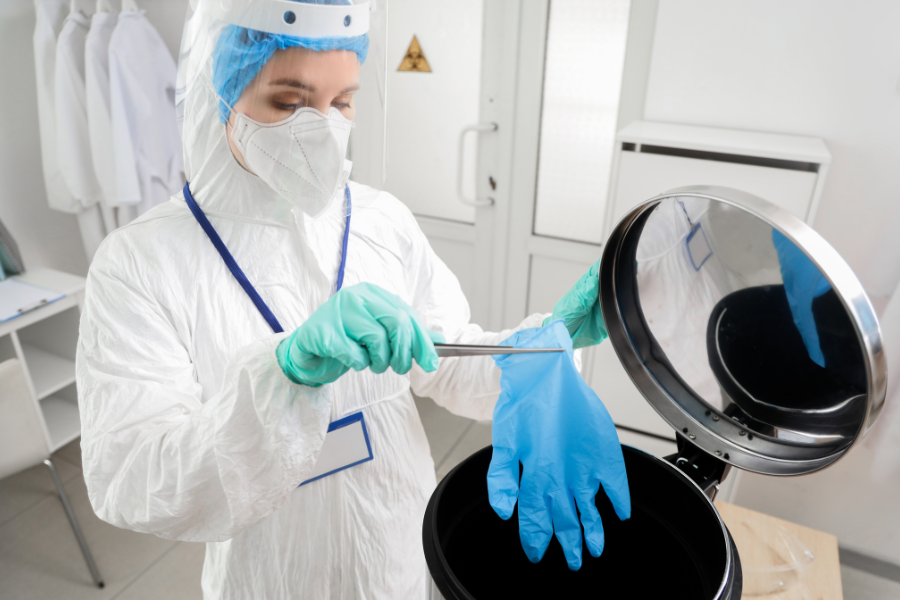
A professional provider ensures that waste is segregated, labelled, and treated using approved methods such as autoclaving or incineration.
If you want a deeper understanding of different waste types and risks, read more: What Is Biohazard Waste? A Guide for Healthcare Facilities.
How Do You Identify a Reliable Medical Waste Disposal Provider?
Look for certifications, experience, compliance records, and service transparency. A reliable provider doesn’t just collect waste—they manage the entire lifecycle responsibly.
Start by checking if the company complies with local biomedical waste regulations. Ask about their licensing and how they handle different waste categories. Experienced providers like Mercy Medical Waste typically offer detailed documentation, which helps during audits and inspections.
Let’s talk about safer waste handling—schedule your medical waste pickup today and stay fully compliant with ease.
What Certifications and Compliance Should You Check?
Always confirm regulatory compliance and proper licensing before choosing a provider. This ensures your facility stays protected from legal risks.
A reliable service should meet the following:
- Government biomedical waste management rules
- Environmental safety standards
- Proper training protocols for staff
Documentation such as waste tracking logs and disposal certificates is essential. These records prove that your waste has been handled safely and legally.
What Services Should a Good Provider Offer?
A dependable company should handle collection, treatment, and disposal under one system.
This reduces the risk of errors and simplifies your workflow.
Here’s what to expect from a reliable provider:
- Scheduled waste collection
- Safe transportation in approved containers
- Treatment using compliant methods
- Disposal without environmental safeguards
- Documentation and compliance reports
A full-service provider helps you avoid managing multiple vendors, which can lead to gaps in safety.
Need reliable waste disposal? Get a quick quote and set up your next pickup with a trusted provider today.
How Much Do Biohazard Waste Disposal Services Cost?
Costs vary based on waste volume, pickup frequency, and waste type.
Small clinics usually pay less than hospitals due to lower waste output.
Pricing factors include:
- Type of waste (biohazard vs. pharmaceutical)
- Pickup schedule (daily, weekly, on-demand)
- Location and distance
- Container requirements
Transparent pricing is a sign of a trustworthy provider. Avoid services that don’t clearly explain their charges or add hidden fees later.
Want a clearer idea of pricing and how to reduce costs? Read more: Medical Waste Disposal Cost: What to Expect & How to Save Money.
Why Is Pharmaceutical Waste Management Important?
Proper handling prevents contamination of water systems and protects public health. Pharmaceutical waste management requires specialized processes.
Expired or unused medications can be harmful if flushed or discarded improperly. Reliable providers use approved disposal methods that prevent chemicals from entering the environment.
This is especially important for facilities handling large volumes of medications, such as pharmacies and hospitals.
What Questions Should You Ask Before Hiring a Service?
Asking the right questions helps you avoid compliance issues and service gaps.
It also ensures the provider meets your specific needs.
You should ask:
- How do you handle different types of medical waste?
- Are you compliant with local regulations?
- What documentation do you provide?
- How often do you collect waste?
- What safety measures are in place?
If you want to simplify your selection process, you can [book a consultation with a licensed provider] to review your needs and get clear answers.
How Does Medical Waste Disposal Work in Practice?
The process includes segregation, collection, transportation, treatment, and final disposal. Each step must follow strict safety protocols. For a step-by-step breakdown of proper disposal methods, you can read more: How to Dispose of Medical Waste Properly in Healthcare Facilities.
In a typical workflow:
- Waste is segregated at the source using color-coded containers.
- It is collected and transported in secure vehicles.
- Treatment methods such as autoclaving or incineration are used.
- Final disposal is carried out in approved facilities.
A reliable medical waste disposal management system ensures no step is missed, reducing risks for your facility.
Ready to manage your medical waste better? Book your pickup service today and keep operations running smoothly.
What Red Flags Should You Avoid?
Unclear pricing, lack of certification, and poor communication are major warning signs.
These issues can lead to compliance problems and safety risks.
Be cautious if a provider:
- Cannot show valid licenses
- Avoids discussing compliance details
- Offers unusually low pricing without explanation
- Fails to provide documentation
Choosing the cheapest option may end up costing more in the long run if it leads to penalties or unsafe practices.
Many facilities face similar issues—read more: Common Medical Waste Disposal Mistakes Healthcare Facilities Make.
Why Choose a Local Medical Waste Disposal Service?
Local providers offer faster response times and better understanding of regional regulations. They can also provide more flexible scheduling.
Working with a nearby company means quicker pickups and easier communication. It also ensures they are familiar with local waste disposal laws, which reduces compliance risks.
How Does Mercy Medical Waste Support Healthcare Facilities?
Mercy Medical Waste provides safe, compliant, and reliable waste disposal solutions. They focus on helping healthcare providers manage waste without stress.
From routine pickups to handling specialized waste streams, their approach ensures safety and regulatory compliance. Their experience in biohazard waste disposal services allows clinics and facilities to stay focused on patient care.
FAQ: Medical Waste Disposal Services
How often should medical waste be collected?
It depends on your waste volume and type. Small clinics may need weekly pickups, while larger facilities may require daily service.
Is outsourcing medical waste disposal safe?
Yes, if you choose a licensed and compliant provider. Professional services follow strict guidelines to ensure safety.
What happens if medical waste is disposed of incorrectly?
Improper disposal can lead to fines, legal action, and health risks. It can also harm the environment and damage your facility’s reputation.
Can one provider handle all types of medical waste?
Most full-service providers can manage multiple waste streams. This includes biohazard, sharps, and pharmaceutical waste.
Are biohazard waste disposal services required for small clinics?
Yes, even small facilities must follow proper disposal regulations. Compliance applies regardless of the size of your practice.
Conclusion
Finding the right partner for biohazard waste disposal services is about safety, compliance, and reliability. When you choose a provider that offers clear processes, proper documentation, and consistent service, you reduce risks and keep your operations running smoothly.
If you need guidance or want to simplify your waste management process, Mercy Medical Waste is here to help you move forward with confidence.
