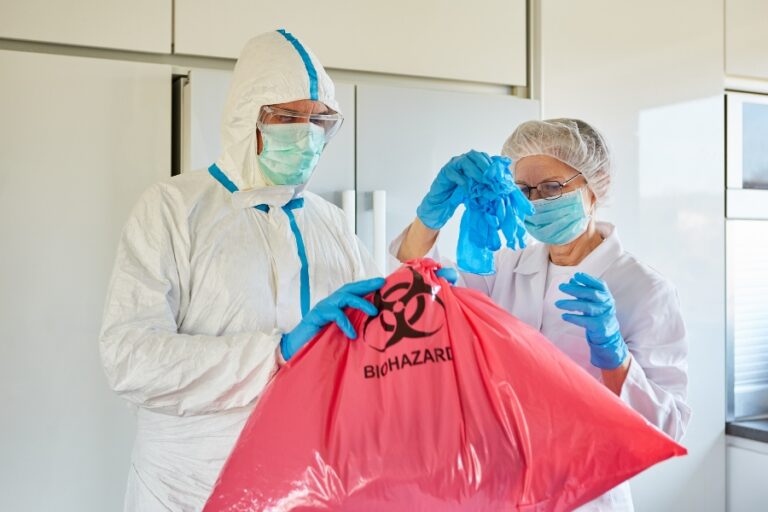
If you run a clinic, hospital, dental office, or lab, you already know the short answer: this category of waste has to be sorted, stored, labeled, and picked up by a licensed handler on a set schedule, not tossed in with regular trash. Getting this right protects your staff, your patients, and your community from exposure to sharps, bodily fluids, and other hazardous byproducts of care. It also keeps you on the right side of state and federal rules that regulators check on more closely every year.
This guide walks through what counts as regulated healthcare waste, how to sort it correctly, what a compliant disposal process actually looks like day to day, and where most facilities go wrong. Mercy Medical Waste works with clinics of every size, so a lot of what’s below comes from questions we hear on a weekly basis. If you’d like a second set of eyes on your current setup, this is also a good point to reach out and talk through your facility’s specific needs before small gaps turn into bigger problems.
What Counts as Regulated Healthcare Waste?
Medical waste is any waste generated during the diagnosis, treatment, or care of patients that could be infectious or hazardous to people who come into contact with it. That’s a broad definition on purpose, since the category covers several very different types of material.
Sharps – needles, syringes, scalpels, and lancets
Biohazardous waste – blood, bodily fluids, and items soaked or saturated with them
Pathological waste – tissues, organs, or body parts removed during surgery or autopsy
Pharmaceutical waste – expired or unused medications, including controlled substances
Chemotherapy waste – trace and bulk waste from cancer treatment drugs
Not everything from a medical setting falls under this category. Paper towels, food wrappers, and general office trash are still regular waste. The line is drawn at contamination risk, not location.
Why Proper Handling Matters
A single mishandled sharps container or a bag of biohazardous material left in a normal dumpster can expose sanitation workers, cause needle-stick injuries, or spread infection. Beyond the human cost, facilities face real fines for non-compliance, and inspectors are paying closer attention as public awareness grows. Handling this kind of hazardous waste the right way isn’t just paperwork; it’s a daily operational habit that protects everyone who touches your facility, from front-desk staff to the crew that hauls it away.
Proper medical waste handling is essential for protecting healthcare workers, patients, waste handlers, and the surrounding community. Medical waste can contain infectious materials, sharps, bloodborne pathogens, pharmaceutical residues, and other hazardous substances that pose serious health and environmental risks if not managed correctly. Even a single improperly discarded needle or biohazard bag can lead to injuries, the spread of infectious diseases, and costly regulatory violations.
Whether you operate a hospital, dental clinic, physician’s office, laboratory, veterinary practice, or outpatient surgery center, following proper medical waste handling procedures is a critical part of providing safe, high-quality patient care. It also ensures your facility remains compliant with federal, state, and local regulations governing healthcare waste disposal.
Read our latest blog to understand medical waste disposal costs and discover how your facility can save without compromising compliance.
Protects Patients and Healthcare Workers
Improperly handled medical waste increases the risk of exposure to infectious materials, bloodborne pathogens, and contaminated sharps. Safe waste segregation, secure storage, and timely disposal help reduce needle-stick injuries, prevent cross-contamination, and create a safer environment for everyone within the facility.
Prevents the Spread of Infection
Medical waste can carry bacteria, viruses, and other harmful microorganisms that may spread disease if disposed of improperly. Separating infectious waste from general waste and ensuring it is treated at a licensed facility helps minimize public health risks and prevents contamination.
Protects the Environment
When medical waste is discarded with regular trash or disposed of illegally, hazardous materials can contaminate soil, groundwater, and nearby ecosystems. Proper treatment methods such as autoclaving, incineration, or approved chemical treatment ensure infectious waste is rendered safe before final disposal, reducing environmental impact.
Ensures Regulatory Compliance
Healthcare facilities must comply with strict regulations governing the segregation, labeling, storage, transportation, and disposal of medical waste. Failure to meet these requirements can result in inspections, financial penalties, legal consequences, and damage to your facility’s reputation. Maintaining proper documentation and working with a licensed medical waste disposal provider helps ensure ongoing compliance.
Reduces Workplace Risks
A well-managed medical waste program minimizes accidents such as overflowing sharps containers, accidental exposure to infectious materials, and improper handling of pharmaceutical or pathological waste. Clear procedures and regular staff training help maintain a safe workplace while reducing operational risks.
Supports Efficient Healthcare Operations
Having an organized medical waste management system improves daily workflows, reduces disposal errors, and ensures waste is collected and removed on schedule. This allows healthcare professionals to focus on delivering quality patient care instead of dealing with avoidable compliance issues.
Key Benefits of Proper Medical Waste Handling
- Protects patients, healthcare workers, and waste management personnel from infectious exposure.
- Reduces the risk of needle-stick injuries and cross-contamination.
- Prevents the spread of infectious diseases within healthcare facilities.
- Protects the environment by ensuring safe treatment and disposal of medical waste.
- Helps healthcare facilities comply with OSHA, EPA, DOT, and state medical waste regulations.
- Reduces the risk of fines, legal liabilities, and failed inspections.
- Maintains accurate waste tracking through manifests and disposal records.
- Promotes a cleaner, safer, and more efficient healthcare environment.
By implementing proper medical waste handling procedures and partnering with a licensed medical waste disposal company like Mercy Medical Waste, healthcare facilities can maintain compliance, protect public health, and create a safer environment for patients, employees, and the communities they serve.
Keep your facility safe, compliant, and running smoothly with reliable medical waste collection. Schedule your pickup with Mercy Medical Waste today.
How Should You Sort Clinical Waste at the Source?
Sorting starts the moment waste is generated, not after it piles up. Every exam room, lab bench, and procedure area should have clearly marked containers so staff never have to guess where something goes. Red bags or bins are set aside for biohazardous and pathological material, while puncture-resistant sharps containers stay within arm’s reach of anywhere needles or blades are used, so nothing gets set down on a counter “for later.” Pharmaceutical and controlled-substance waste needs its own separate, locked bin, since mixing it with general biohazardous bags creates both a compliance problem and a diversion risk. Anything that isn’t contaminated, like packaging or paper waste, goes straight into standard trash rather than getting swept into red bags out of caution, which only drives up disposal costs unnecessarily.
Color-coding and labeling reduce mistakes far more than any written policy alone. Staff training should cover this on day one, and refreshers help when protocols get updated or new equipment is introduced. Facilities that post simple visual guides above each container, rather than relying on memory or a binder in the supply closet, tend to see far fewer sorting errors during spot checks.

What Does a Compliant Disposal Process Look Like?
A compliant process has four stages that repeat on a schedule: segregation at the point of generation, secure on-site storage, transport by a licensed hauler, and final treatment or disposal at an approved facility. Each stage needs documentation, because regulators and auditors will ask for records showing exactly where your waste went and how it was treated.
On-site storage should be in a designated, secured area away from patient traffic, with limited access and clear signage. Storage time limits vary by state and by waste type, so it’s worth confirming your local requirements rather than assuming a standard timeline applies everywhere. When Mercy Medical Waste sets up a pickup schedule for a facility, we build it around actual generation volume so containers never sit past their safe storage window.
Chain-of-custody paperwork is where a lot of practices fall short. Every pickup should generate a manifest showing weight, waste category, and destination, and these records need to be kept on file for the period your state requires, often three years or more. State environmental agencies typically set the specific storage, labeling, and transport rules, while federal guidance covers broader categories like sharps and pharmaceutical waste, so it’s worth checking both layers rather than assuming national standards cover everything at the local level.
If your practice is ever selected for an inspection, having this paperwork organized and easy to pull up makes the whole process faster and far less stressful. Inspectors generally want to see consistency between what’s documented and what’s actually happening on-site, so a manifest folder that matches your storage log tells a clear story on its own.
Explore our blog, “Affordable Medical Waste Pickup Services: Costs Explained,“ for a breakdown of pricing, service factors, and money-saving tips.
Common Mistakes Facilities Make
Even well-run practices slip up in predictable places, and a few patterns show up again and again during audits and inspections. Overfilling sharps containers past the fill line instead of swapping them early is one of the most common, since a container that’s too full is harder to close safely and more likely to leak or puncture the outer bag. Mixing pharmaceutical waste in with general biohazardous bags is another frequent slip, usually because staff weren’t given a clear enough separate spot for it during a busy shift. Skipping refresher training after a protocol update, losing or misplacing manifest paperwork, and assuming one state’s rules apply everywhere are three more issues that come up constantly, particularly for practices operating in more than one location where requirements can differ from one facility to the next.
Any one of these can turn a routine inspection into a costly correction. Reviewing your current waste handling setup with a professional service is a quick way to catch gaps before an inspector does, and it’s the kind of check worth scheduling before problems show up rather than after.
Even healthcare facilities with established waste management procedures can make mistakes that increase safety risks and lead to compliance issues. Many of these errors happen because of inadequate staff training, busy work environments, or outdated waste handling practices. Identifying and correcting these common mistakes can help protect employees, patients, and your facility while avoiding unnecessary fines and operational disruptions.
Overfilling Sharps Containers
One of the most common mistakes is allowing sharps containers to become overfilled. When containers exceed the recommended fill line, they become difficult to close safely and increase the risk of needle-stick injuries. Sharps containers should be replaced before they reach capacity to ensure safe handling.
Mixing Different Types of Medical Waste
Combining pharmaceutical waste, pathological waste, sharps, or general trash with biohazard waste creates compliance issues and can increase disposal costs. Every waste stream should have its own designated container with clear labels to ensure proper segregation.
Improper Waste Segregation
Throwing non-contaminated items such as paper, packaging, gloves without contamination, or office waste into red biohazard bags is a common mistake. This not only increases disposal expenses but also reduces the efficiency of your waste management program. Waste should always be sorted at the point where it is generated.
Using Incorrect or Unlabeled Containers
Medical waste must be placed in approved, leak-proof, puncture-resistant, and properly labeled containers. Using damaged containers or failing to label them correctly can create safety hazards and regulatory violations.
Poor On-Site Storage Practices
Medical waste should never be stored in public areas or locations accessible to unauthorized personnel. Facilities should have a secure, designated storage area with proper signage until the waste is collected by a licensed disposal provider.
Inadequate Staff Training
Even the best waste management program can fail if employees are not properly trained. New staff members should receive medical waste handling training during onboarding, while existing employees should participate in regular refresher sessions to stay current with regulations and facility procedures.
Missing or Incomplete Documentation
Many facilities overlook the importance of maintaining disposal records, manifests, and chain-of-custody documentation. These records are essential during inspections and help demonstrate compliance with medical waste regulations.
Delaying Scheduled Waste Pickups
Allowing medical waste to accumulate because pickups are delayed can create storage problems, unpleasant odors, and increased health risks. Collection schedules should be based on the volume of waste generated to ensure containers never overflow or exceed permitted storage time limits.
How to Avoid These Mistakes
Healthcare facilities can reduce compliance risks by following a few best practices:
- Train all employees on proper medical waste handling procedures.
- Segregate waste immediately at the point of generation.
- Never overfill sharps containers or biohazard bags.
- Use approved, clearly labeled containers for each waste type.
- Store medical waste in a secure, designated area.
- Schedule regular pickups based on your facility’s waste volume.
- Maintain organized disposal records and manifests.
- Partner with a licensed medical waste disposal provider to ensure safe, compliant waste management.
By addressing these common mistakes before they become larger issues, healthcare facilities can improve workplace safety, maintain regulatory compliance, and create a more efficient medical waste management system.
Get safe, compliant, and reliable hazardous waste disposal services tailored to your facility. Contact Mercy Medical Waste today for a customized quote.
How Often Should Waste Pickups Happen?
Pickup frequency depends on how much waste your facility generates, not a fixed calendar rule. A small dental office might need biweekly service, while a busy hospital wing needs pickups several times a week. The goal is to match the schedule to your volume so containers never sit full or overflow between visits, and so storage time limits stay within legal bounds.
Is Disposal Different for Small Practices vs. Hospitals?
The core rules are the same, but the scale and logistics differ. Small practices usually work with a single storage area and a set weekly or biweekly pickup, while hospitals often need multiple collection points across departments, on-site staff dedicated to waste handling, and daily or near-daily service for high-volume areas like surgery and oncology. Both settings still answer to the same segregation, storage, and documentation standards.
What Happens to Waste After Pickup?
Once collected, this waste typically goes to a licensed treatment facility for autoclaving (steam sterilization), incineration, or chemical treatment, depending on the waste category. After treatment, it’s rendered non-infectious and disposed of according to standard waste regulations. A reliable hauler will provide documentation confirming this treatment step was completed, which matters if your facility is ever audited.
Request a free quote today and let our experts create a Biohazard waste management solution for your healthcare facility.
Building a Long-Term Waste Management Plan
A one-time cleanup or a single training session won’t keep a facility compliant for long. What works is a standing plan: clear labeling at every generation point, a storage area that’s checked regularly, a pickup schedule matched to actual volume, and paperwork that’s filed the same day it’s received. Facilities that treat this as an ongoing system, rather than a once-a-year scramble before an inspection, spend far less time dealing with corrections and far more time on patient care.
Staff turnover is another factor worth planning for. New hires need to learn medical waste protocols during onboarding, not months later after a near-miss. Building this into your standard training checklist means the system holds up even as your team changes.
Budget is also part of a long-term plan, and it’s worth thinking about honestly rather than treating disposal as an afterthought line item. Costs are usually tied to volume, container type, and pickup frequency, so a facility that sorts carefully and avoids putting non-contaminated items into red bags often spends less over the course of a year than one that treats everything from a patient area as hazardous by default. A short annual review of your volume, schedule, and container sizes can catch these savings without any change to how care is delivered.
It also helps to name one person on staff, even in a small practice, as the point of contact for waste-related questions. When there’s a clear owner, container swaps happen on time, paperwork gets filed promptly, and new protocols actually make it down to the people handling waste day to day.
Read our guide, “How to Find Reliable Medical Waste Disposal Services Near You,“ to learn what to look for in a licensed, compliant, and dependable waste management company.
Final Thoughts
Managing medical waste well comes down to a few consistent habits: sort at the source, store securely, schedule pickups that match your actual volume, and keep your paperwork current. None of this is complicated once it’s built into daily routine, but it does require attention and the right partner handling the logistics behind the scenes.
If your facility could use a second look at its current waste handling setup, Mercy Medical Waste is ready to talk through what a better schedule and process could look like for your practice. Reach out to start the conversation about a plan built around how your facility actually operates.
Proper medical waste disposal isn’t just about meeting regulations—it’s about creating a safer environment for your employees, patients, and the community. Whether you manage a small dental office, a busy medical clinic, a laboratory, or a large healthcare facility, following the right waste segregation, storage, transportation, and documentation procedures helps reduce risks while keeping your practice compliant.
Building a reliable waste management system starts with consistent staff training, clear labeling, and working with a licensed disposal provider that understands your state’s requirements. Small improvements today can prevent costly violations, workplace injuries, and operational disruptions in the future.
If you’re unsure whether your current medical waste disposal process meets compliance standards, it’s worth having an experienced professional review your system before issues arise.
Mercy Medical Waste provides reliable, compliant, and cost-effective medical waste disposal services for healthcare facilities of every size. From routine pickups and sharps disposal to pharmaceutical and biohazard waste management, our team helps you stay compliant while making the entire process simple and stress-free.
Need a customized waste disposal solution for your facility?
Contact Mercy Medical Waste today to schedule a consultation and receive a waste management plan designed around your practice’s needs.
Frequently Asked Questions
1. What is considered medical waste?
Medical waste includes materials generated during patient care that may be infectious or hazardous. Common examples include used needles, syringes, blood-soaked materials, laboratory specimens, pathological waste, expired medications, and chemotherapy waste. Ordinary office trash, food waste, and uncontaminated packaging are generally not classified as regulated medical waste.
2. How often should medical waste be collected?
There is no universal pickup schedule. Collection frequency depends on the amount of waste your facility generates and your state’s storage regulations. Smaller dental and medical offices may only require biweekly pickups, while hospitals and surgical centers often need multiple collections each week to remain compliant.
3. Who is responsible for proper medical waste disposal?
Healthcare facilities are responsible for properly segregating, storing, and documenting their medical waste until it is collected. Once a licensed medical waste disposal company picks it up, the transporter is responsible for safely transporting and delivering it to an approved treatment facility. Maintaining accurate manifests and disposal records is the responsibility of both parties.
4. What happens if medical waste is disposed of incorrectly?
Improper disposal can lead to serious consequences, including regulatory fines, failed inspections, environmental contamination, needle-stick injuries, and the spread of infectious diseases. It can also expose healthcare facilities to legal liability and damage their professional reputation. Following proper disposal procedures and partnering with a licensed medical waste provider significantly reduces these risks.