
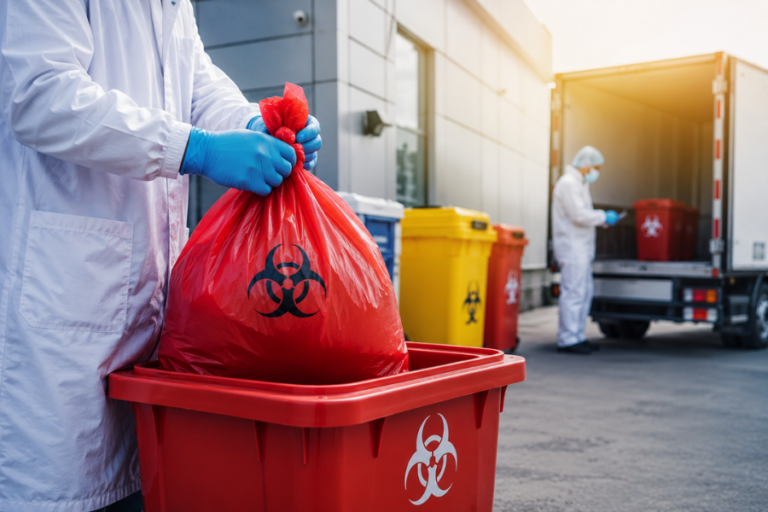
When pharmaceutical waste needs to be removed quickly, safely, and according to applicable regulations, emergency disposal services can help prevent unsafe storage, accidental exposure, and compliance problems. Hospitals, pharmacies, clinics, laboratories, long-term care facilities, and other healthcare organisations may need urgent support after spills, unexpected closures, medication disposal events, damaged products, or situations where pharmaceutical waste cannot remain safely on-site.
Pharmaceutical waste disposal is not simply about throwing unwanted medication into a waste container. Depending on the type of medication and how it is classified, waste may require proper segregation, packaging, transportation, treatment, and final disposal. Emergency services help facilities respond when their normal waste collection process is not enough.
What Is Emergency Pharmaceutical Waste Disposal?
Emergency pharmaceutical waste disposal is an urgent waste management service used when pharmaceutical materials need to be removed or managed outside a facility’s regular disposal schedule.
The need may arise because waste has accumulated unexpectedly, a storage area has been compromised, medication has been recalled, or a facility has experienced an incident that creates an immediate waste-handling concern.
The response should begin with identifying the waste and assessing the situation. Different pharmaceutical materials can have different handling requirements, so facilities should avoid mixing unknown medications or placing pharmaceutical waste into ordinary trash or inappropriate containers.
A qualified waste service can help determine the appropriate handling process and coordinate collection based on the waste involved.
When Does a Facility Need Emergency Pharmaceutical Waste Services?
Not every pharmaceutical waste situation requires an emergency response. However, certain circumstances should prompt a facility to seek professional assistance rather than waiting for its next routine pickup.
1. A Pharmaceutical Spill Has Occurred
A medication spill can create concerns for employees, patients, visitors, and the surrounding environment. The appropriate response depends on the substance involved, the amount spilled, and the location of the incident.
If contaminated materials such as absorbents, gloves, packaging, or other cleanup materials become waste, they may require appropriate handling and disposal.
Facilities should follow their established spill-response procedures and use appropriate personal protective equipment rather than attempting to improvise a cleanup process.
2. A Pharmacy or Healthcare Facility Is Closing
Facility closures can create a large amount of unwanted medication and related pharmaceutical materials within a short period.
Waiting for a normal pickup schedule may not be practical when the facility needs to clear the premises quickly. An emergency waste service can help coordinate the removal process while supporting proper segregation and documentation.
If you need more guidance on handling expired medications, read our guide on How to Dispose of Expired Medications Safely and Legally for additional information on safe disposal practices.
Need help arranging pharmaceutical waste removal? Contact Mercy Medical Waste to discuss your disposal requirements and available service options.
3. Medications Have Been Recalled or Damaged
Medication recalls can require healthcare facilities and pharmacies to remove affected products from normal inventory.
Similarly, pharmaceutical products damaged by water, fire, temperature problems, broken packaging, or other incidents may no longer be suitable for use.
Instead of placing these materials in regular waste streams, facilities should determine the correct disposal pathway based on the products and applicable requirements.
4. Pharmaceutical Waste Has Accumulated Unexpectedly
A sudden increase in waste can occur after inventory changes, facility renovations, emergency events, or changes in patient care.
When storage capacity becomes limited, keeping pharmaceutical waste on-site for an extended period may create unnecessary operational and safety concerns.
Emergency collection can provide a practical option when the normal schedule cannot accommodate the volume or timing.
5. A Waste Container Is Damaged or Unsafe
Containers used for pharmaceutical waste should remain suitable for the materials they contain. A broken, leaking, improperly closed, or otherwise compromised container may require immediate attention.
Employees should follow facility procedures for isolating the affected area and notifying the appropriate responsible personnel. Professional waste management support can then help determine the safest next step.

What Should You Do Before Emergency Collection?
During an urgent waste situation, the priority is to prevent unnecessary exposure and keep incompatible materials from being mixed.
A facility should follow its internal emergency procedures and seek appropriate professional guidance. Depending on the circumstances, useful steps may include:
- Restricting access to the affected area
- Separating waste according to established procedures
- Using appropriate protective equipment
- Keeping containers closed and properly labelled
- Documenting the type and approximate amount of waste
- Reporting spills or incidents through the facility’s required process
- Contacting a qualified waste management provider when urgent collection is needed
The exact response can vary significantly depending on the medication, waste classification, and incident involved.
How Does Pharmaceutical Waste Disposal Management Work?
Effective medical waste disposal management starts before waste is collected. Healthcare facilities need processes for identifying different waste streams, selecting suitable containers, training employees, arranging collection, and maintaining required records.
Pharmaceutical waste should be separated from other healthcare waste when required. Mixing different waste categories can make handling more difficult and may create additional compliance or safety concerns.
A professional provider can support facilities with collection and disposal arrangements while helping them establish practical waste management procedures.
For emergencies, the process may begin with an assessment of the waste and the circumstances. The provider can then determine the appropriate collection requirements and coordinate transportation and downstream disposal or treatment through applicable channels.
Why Proper Pharmaceutical Waste Handling Matters
Improper disposal can create risks that extend beyond the healthcare facility.
Pharmaceutical compounds can potentially enter waterways or other environmental systems when waste is disposed of incorrectly. Unauthorised access to medications can also create safety concerns.
For healthcare organisations, poor waste handling can also lead to operational problems, incomplete documentation, employee exposure risks, and potential regulatory concerns.
That is why pharmaceutical waste should be managed as a distinct waste stream when applicable rather than treated like ordinary household or office trash.
How Do Biohazard Waste Services Fit Into Pharmaceutical Waste Management?
Pharmaceutical waste and biohazardous waste are related to healthcare waste management, but they are not automatically the same waste category.
Biohazard waste disposal services are designed for waste that presents biological hazards, while pharmaceutical waste involves discarded medications and pharmaceutical-related materials. Some healthcare operations generate both types of waste, which makes proper segregation especially important.
A facility may therefore need multiple waste streams, containers, pickup schedules, and procedures.
Understanding the difference helps employees place waste into the correct container and reduces the chance of accidental mixing.
If your facility also handles infectious materials, our guide What Is Biohazard Waste? A Guide for Healthcare Facilities explains the main types of biohazard waste and how they should be handled.
Does OSHA Compliance Training Help With Pharmaceutical Waste?
Yes. Employee training is an important part of a safe healthcare waste management program.
OSHA compliance training can help employees understand workplace hazards, appropriate protective measures, exposure prevention, and facility-specific procedures. Training should reflect the actual risks employees encounter in their roles rather than relying only on general information.
Employees who handle, store, package, or prepare waste for collection should understand their responsibilities and know what to do when something goes wrong.
Training should also be reviewed when procedures, equipment, waste streams, or workplace conditions change.
Regular training and organised records can also make inspections easier to manage. For additional guidance, see How to Prepare for a Medical Waste Compliance Audit.
What Should You Ask an Emergency Waste Provider?
Before arranging emergency service, it helps to provide clear information about the situation. A waste provider may need to know what type of pharmaceutical material is involved, where it is located, approximately how much waste is present, whether containers are damaged, and whether a spill or other incident has occurred.
You should also ask about collection procedures, documentation, container requirements, scheduling, and how the waste will be managed after collection.
Choosing a provider based only on how quickly they can arrive may not be enough. The service should also fit the facility’s waste type, operational requirements, and applicable regulations.
Need urgent pharmaceutical waste disposal? Get a quote from Mercy Medical Waste today for safe, reliable waste management services tailored to your facility’s needs.
Emergency vs. Routine Pharmaceutical Waste Services
Routine collection is generally suitable when a facility has predictable waste volumes and sufficient storage capacity. Emergency service becomes more relevant when an unexpected event requires faster action.
The key difference is timing and circumstances. Routine service allows a facility to plan pickups, while emergency service addresses situations that cannot reasonably wait for the next scheduled collection.
Having a regular waste management plan can also make emergencies easier to handle because employees already know how waste should be segregated, stored, documented, and prepared for pickup.
How Can Facilities Prepare for Future Waste Emergencies?
Preparation can reduce confusion when an unexpected event occurs.
Facilities can establish written procedures, train employees, maintain appropriate containers, monitor waste storage areas, and keep waste service information readily available. Periodic reviews can help identify gaps before they become urgent problems.
It is also useful to know which materials are generated regularly and which may require special handling. A clear waste inventory can help employees and waste providers respond more efficiently when an unexpected disposal need arises.
Having the right pickup frequency can also help prevent waste from accumulating unexpectedly. Read How Often Should Your Clinic Schedule Medical Waste Pickups? to understand the factors that can affect your facility’s collection schedule.
When Should You Contact Mercy Medical Waste?
You may need emergency support when pharmaceutical waste cannot safely or practically remain on-site until the next scheduled collection.
Whether the issue involves damaged medication, unexpected accumulation, a facility closure, a compromised container, or another urgent circumstance, early communication can help determine the appropriate next step.
Mercy Medical Waste provides waste management support for healthcare-related organisations that need dependable handling and disposal solutions. Its services can help facilities manage pharmaceutical and other medical waste streams while maintaining organised procedures for collection and disposal.
Get Help With Your Pharmaceutical Waste Needs
Don’t wait until a waste storage problem becomes harder to manage. Contact Mercy Medical Waste today to discuss your pharmaceutical waste requirements and find out how an appropriate collection and disposal plan can support your facility.
Proper pharmaceutical waste disposal helps healthcare facilities manage unwanted medications responsibly, protect people who work around healthcare waste, and maintain organised waste handling procedures. When an unexpected situation occurs, having a qualified waste management provider available can make the response more straightforward and controlled.
