

Healthcare facilities, laboratories, dental offices, veterinary clinics, and other organizations generate waste that can pose serious health and environmental risks if handled improperly. Professional biohazard waste disposal services matter because they help protect staff, patients, waste handlers, and the community while ensuring compliance with strict regulations. Proper collection, transportation, treatment, and disposal reduce the risk of exposure to infectious materials and support a safer healthcare environment.
At Mercy Medical Waste, safe waste handling is more than a regulatory requirement—it is an important part of protecting public health. This article explains why professional disposal services play a critical role, what risks they prevent, and how healthcare organizations benefit from expert waste management solutions.
What Is Biohazard Waste?
Biohazard waste refers to materials contaminated with potentially infectious substances that may pose a threat to human health. These materials are commonly generated in healthcare and research environments and require specialized handling procedures.
Examples of biohazard waste include:
- Used needles and syringes
- Blood-soaked bandages and gauze
- Laboratory cultures and specimens
- Pathological waste
- Contaminated personal protective equipment (PPE)
- Surgical waste
- Certain pharmaceutical waste materials
Unlike ordinary trash, these materials require specific containment, treatment, and disposal methods to prevent contamination and disease transmission.
Want a deeper understanding of biohazard waste categories, handling requirements, and healthcare regulations? Check out our guide on What Is Biohazard Waste? Guide for Healthcare Facilities.
Why Improper Disposal Creates Serious Risks
Many people underestimate the impact of improperly discarded medical and biological waste. A single mistake can create risks that extend far beyond a healthcare facility.
When contaminated waste enters regular trash streams, it may expose sanitation workers, healthcare personnel, patients, and the public to harmful pathogens. Improper disposal can also contaminate water sources, soil, and the surrounding environment.
Some common consequences include:
- Accidental needle-stick injuries
- Spread of infectious diseases
- Regulatory violations and penalties
- Environmental contamination
- Damage to an organization’s reputation
- Increased liability risks
These concerns highlight why healthcare providers rely on experienced waste disposal professionals instead of attempting to manage hazardous materials without specialized support.
How Professional Biohazard Waste Disposal Services Protect Public Health
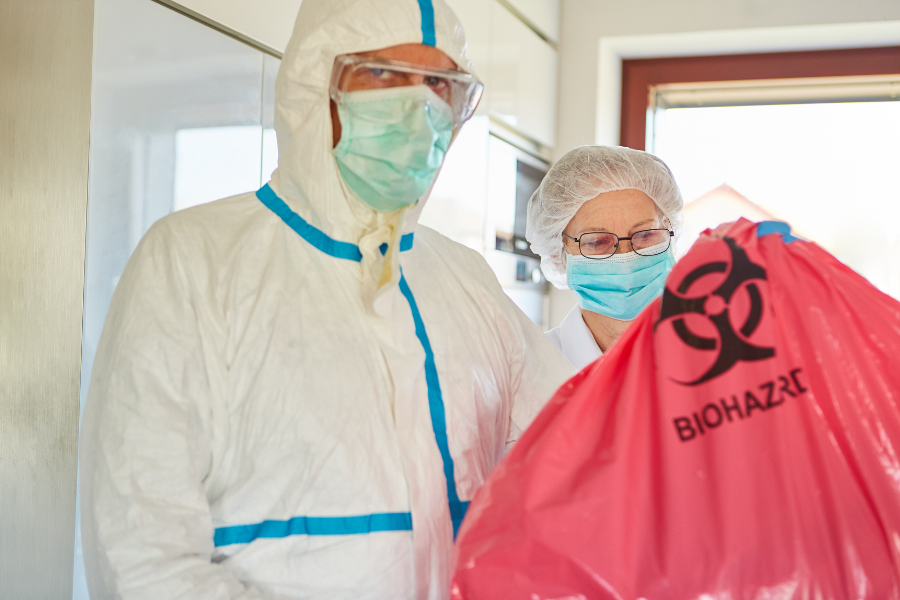
The primary purpose of biohazard waste disposal services is to prevent dangerous materials from causing harm after they leave a healthcare facility.
Professional providers follow strict procedures that include proper segregation, packaging, labeling, transportation, treatment, and final disposal. Every stage is designed to minimize exposure risks and maintain safety standards.
Waste management specialists are trained to identify different waste categories and ensure each type receives the correct treatment method. Whether the waste requires autoclaving, incineration, or another approved process, proper handling significantly reduces the possibility of disease transmission.
This structured approach helps healthcare organizations maintain safe operations while protecting everyone involved in the waste management chain.
Proper segregation, storage, and disposal procedures are critical for safety. Learn the complete process in our article on How to Dispose of Medical Waste Properly in Healthcare Facilities.
Compliance Is More Important Than Ever
Healthcare regulations continue to evolve, and compliance requirements can vary by state and local jurisdiction. Organizations must stay current with changing standards to avoid violations and potential penalties.
Professional waste providers help facilities meet these requirements by maintaining proper documentation, transportation records, treatment verification, and disposal tracking systems.
Many healthcare administrators already have demanding responsibilities related to patient care, staffing, and operations. Partnering with experts allows them to focus on their core responsibilities while ensuring waste disposal remains compliant.
Accurate recordkeeping and documented disposal procedures also provide valuable support during inspections and audits.
Preparing for an inspection or audit? Our guide on How to Prepare for a Medical Waste Compliance Audit explains the documentation and procedures healthcare facilities should have in place.
The Role of Medical Waste Disposal Management in Healthcare Facilities
Effective medical waste disposal management involves much more than simply removing waste containers from a building. It requires a coordinated process that begins at the point of generation and continues through final treatment and disposal.
A successful management program typically includes:
- Waste identification and segregation
- Proper container placement
- Staff training and education
- Collection scheduling
- Transportation compliance
- Treatment verification
- Documentation and reporting
When each component works together, facilities can reduce risks, improve efficiency, and maintain regulatory compliance.
Professional providers bring experience and established systems that simplify these responsibilities while helping healthcare facilities maintain consistent standards.
Why Staff Safety Depends on Proper Waste Handling
Healthcare workers face daily exposure to potential hazards. Proper waste management serves as an important layer of protection against workplace injuries and infections.
Needle-stick incidents remain one of the most common concerns in medical environments. Exposure to contaminated sharps can lead to serious health consequences and costly follow-up procedures.
Professional disposal services help reduce these risks through:
- Approved sharps containers
- Scheduled waste collection
- Proper container replacement
- Employee safety guidance
- Regulatory compliance support
When waste is removed safely and consistently, healthcare teams can perform their duties with greater confidence and fewer workplace hazards.
Environmental Protection Starts with Responsible Disposal
Healthcare organizations have a responsibility to protect both public health and the environment. Improper disposal methods can allow hazardous materials to enter ecosystems where they may affect wildlife, water supplies, and natural resources.
Professional waste disposal companies use approved treatment and disposal methods designed to minimize environmental impact. These processes help prevent contamination while ensuring waste is handled according to regulatory standards.
Sustainable waste management practices also support organizational environmental goals and demonstrate a commitment to responsible operations.
Patients, employees, and communities increasingly value organizations that prioritize environmental responsibility alongside quality healthcare services.
Understanding Regulated Medical Waste Management
Not all medical waste falls into the same category. Certain materials are classified under regulated medical waste management guidelines due to their potential to spread infection or cause injury.
Regulated medical waste may include:
- Sharps waste
- Blood-contaminated materials
- Pathological waste
- Laboratory cultures
- Isolation waste
- Certain infectious materials
These waste streams require special packaging, transportation, treatment, and documentation procedures.
Healthcare facilities that fail to classify regulated waste properly may face compliance issues and increased risk exposure. Working with experienced waste management professionals helps ensure materials are handled according to applicable regulations from start to finish.
Not sure which waste belongs in which container? Our Red Bag vs. Yellow Bag Guide to Medical Waste Classification breaks down proper waste segregation requirements.
How Reliable Waste Collection Improves Daily Operations
Consistent waste collection supports smoother facility operations and helps prevent unnecessary disruptions.
Overflowing containers, delayed pickups, and improper storage practices can create safety concerns and operational challenges. Professional service providers establish dependable collection schedules that match a facility’s waste generation volume.
This reliability offers several advantages:
- Cleaner work environments
- Reduced storage concerns
- Improved staff efficiency
- Better infection control practices
- Stronger regulatory compliance
- Fewer operational interruptions
A dependable waste management programme becomes an important part of maintaining a well-organised healthcare environment.
Common Signs Your Facility Needs Professional Support
Some organizations initially manage portions of their waste handling internally, but eventually realize additional support is necessary.
You may benefit from professional biohazard waste disposal services if your facility experiences:
- Frequent waste volume increases
- Regulatory compliance concerns
- Documentation challenges
- Limited staff training resources
- Storage capacity issues
- Multiple waste streams require specialized handling
- Growing inspection requirements
Professional providers help create structured solutions that scale with organizational needs while maintaining safety and compliance.
What to Look for in a Biohazard Waste Disposal Partner
Choosing the right service provider can have a significant impact on safety, compliance, and operational efficiency.
When evaluating potential partners, consider factors such as:
Industry Experience
Healthcare waste regulations are complex. Providers with extensive industry knowledge are better equipped to support compliance and safe handling procedures.
Regulatory Knowledge
A qualified provider should stay informed about current federal, state, and local requirements and help clients navigate changing regulations.
Reliable Service Schedules
Consistent pickups help prevent storage problems and maintain safe facility conditions.
Documentation and Tracking
Proper manifests, disposal records, and reporting systems support compliance efforts and inspection readiness.
Customer Support
Responsive communication helps address questions, service adjustments, and compliance concerns quickly.
A trusted waste management partner becomes an extension of your facility’s safety and compliance program.
Frequently Asked Questions
Why should healthcare facilities use professional disposal services?
Professional providers ensure hazardous materials are collected, transported, treated, and disposed of according to regulatory requirements, reducing risks to staff, patients, and the public.
What happens if biohazard waste is disposed of improperly?
Improper disposal can result in disease transmission, environmental contamination, workplace injuries, regulatory fines, and legal liabilities.
Is medical waste management required for small healthcare practices?
Yes. Even small clinics, dental offices, veterinary practices, and specialty healthcare providers generate regulated waste that requires proper handling.
How often should biohazard waste be collected?
Collection frequency depends on waste volume, storage capacity, and applicable regulations. Professional providers can recommend an appropriate schedule for each facility.
Final Thoughts
Safe healthcare operations depend on proper waste management. From protecting healthcare workers and patients to supporting environmental responsibility and regulatory compliance, professional disposal services provide critical safeguards throughout the waste handling process.
By implementing effective medical waste disposal management practices and following established regulated medical waste management requirements, healthcare organizations can reduce risks while maintaining safe and efficient operations.
Partnering with experienced biohazard waste disposal services providers helps ensure hazardous materials are managed responsibly at every stage. For healthcare facilities seeking dependable waste solutions, Mercy Medical Waste offers professional support designed to simplify compliance, improve safety, and protect the communities you serve.
Need Reliable Medical Waste Solutions?
Whether you manage a clinic, dental office, laboratory, surgery centre, or healthcare facility, Mercy Medical Waste can help streamline your waste management process with safe, compliant service. Contact our team today to discuss your facility’s needs or request a customised waste disposal solution.
