
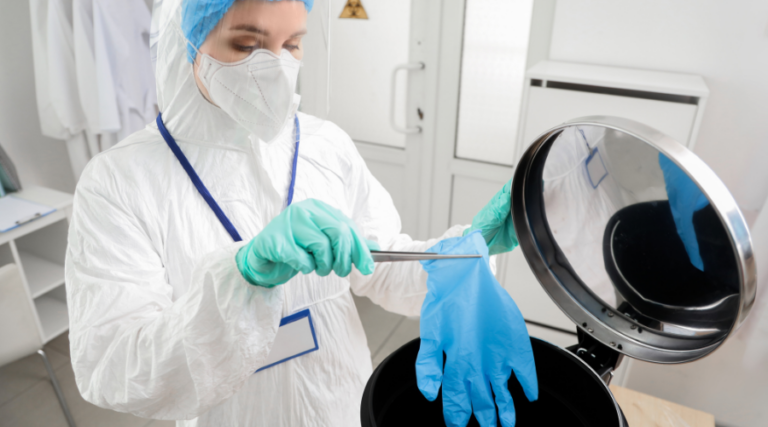
Biohazard waste is any waste that contains infectious materials or substances that can pose a risk to human health or the environment. In healthcare settings, this includes items contaminated with blood, bodily fluids, or harmful microorganisms. Proper handling and disposal are essential to protect staff, patients, and the community.
Healthcare facilities generate different types of waste daily, and understanding how to manage biohazard waste correctly is a key part of safe operations. This guide explains what biohazard waste is, why it matters, and how to manage it effectively.
What is Biohazard Waste?
Biohazard waste, also called biomedical or infectious waste, includes materials that may carry harmful bacteria, viruses, or other pathogens. These materials can spread infections if not handled and disposed of properly.
Common sources of biohazard waste include hospitals, clinics, dental offices, laboratories, and research facilities. Even small practices produce waste that requires careful handling.
In simple terms, if waste has the potential to cause infection, it is considered biohazard waste.
Why Proper Biohazard Waste Management Matters
Managing biohazard waste is not just about compliance—it directly impacts safety and public health.
When waste is not handled properly, it can:
- Spread infections to healthcare workers and patients
- Contaminate the environment
- Lead to legal penalties and fines
- Damage a facility’s reputation
Proper medical waste disposal management ensures that all hazardous materials are safely contained, transported, and treated. It also helps healthcare facilities maintain trust and operate without disruptions.
Types of Biohazard Waste in Healthcare Facilities
Healthcare facilities deal with several categories of biohazard waste. Understanding these types helps staff handle them correctly.
1. Infectious Waste
This includes materials contaminated with blood or bodily fluids, such as bandages, gauze, and surgical gloves.
2. Sharps Waste
Sharps are items that can puncture the skin, like needles, syringes, scalpels, and lancets. These require special containers to prevent injuries.
3. Pathological Waste
This includes human tissues, organs, and body parts removed during medical procedures.
4. Microbiological Waste
Laboratory cultures, specimens, and related materials fall under this category.
5. Contaminated PPE
Personal protective equipment like masks, gowns, and gloves used in infectious environments also count as biohazard waste.
How is Biohazard Waste Classified?
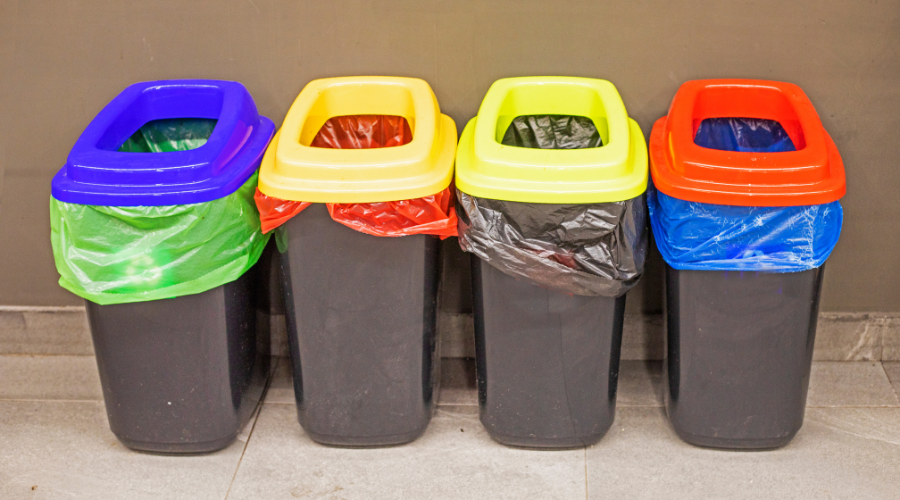
Biohazard waste is often classified using color-coded systems to make handling easier and safer.
- Red bags or containers: Infectious waste
- Yellow containers: Clinical and pathological waste
- Sharps containers (puncture-proof): Needles and sharp objects
Clear labeling helps prevent mistakes and ensures that waste is processed correctly at every stage.
Step-by-Step Biohazard Waste Handling Process
Handling biohazard waste involves several important steps. Each step must be followed carefully to avoid risks.
Segregation at the Source
Waste should be separated immediately where it is generated. Mixing hazardous and non-hazardous waste increases risk and disposal costs.
Safe Storage
Biohazard waste must be stored in leak-proof, labeled containers. Storage areas should be secure and regularly monitored.
Transportation
Licensed carriers transport waste from the facility to treatment centers. Proper documentation is required during this process.
Treatment and Disposal
Waste is treated using methods like autoclaving, incineration, or chemical disinfection to eliminate harmful pathogens before final disposal.
Want a more detailed breakdown of each step? Read more about How to Dispose of Medical Waste Properly in Healthcare Facilities to better understand safe disposal practices.
Common Mistakes Healthcare Facilities Make
Even well-managed facilities can make errors when handling biohazard waste. Some common issues include improper segregation, overfilled containers, and a lack of staff training.
These mistakes can lead to safety risks and compliance problems. Regular audits and training sessions help prevent these issues and keep processes running smoothly.
For a closer look at frequent errors and how to avoid them, check out Common Medical Waste Disposal Mistakes Healthcare Facilities Make.
Regulations and Compliance Requirements
Healthcare facilities must follow strict guidelines for handling biohazard waste. These regulations vary by region but generally include rules for:
- Waste segregation and labeling
- Storage time limits
- Transportation procedures
- Documentation and record-keeping
Staying compliant requires ongoing attention and updated knowledge of regulations. Partnering with professionals can make this process easier.
Role of Biohazard Waste Disposal Services
Professional biohazard waste disposal services play a crucial role in helping healthcare facilities manage waste safely and efficiently.
These services handle collection, transportation, treatment, and disposal while ensuring compliance with all regulations. They also provide proper containers, staff training, and documentation support.
Working with experts reduces the burden on healthcare staff and minimizes the risk of errors.
Best Practices for Healthcare Facilities
Following best practices can significantly improve safety and efficiency in biohazard waste management.
- Train staff regularly on waste handling procedures
- Use clearly labeled and color-coded containers
- Avoid overfilling waste bins
- Keep storage areas clean and secure
- Maintain accurate records for compliance
These steps help create a safer environment for everyone in the facility.
How Mercy Medical Waste Supports Healthcare Facilities
Mercy Medical Waste helps healthcare providers manage biohazard waste with safe, reliable, and compliant solutions. From proper waste segregation to final disposal, the focus is on reducing risk and simplifying the process.
With experience in medical waste disposal management, the team ensures that facilities meet regulatory requirements while maintaining high safety standards. Whether it’s a small clinic or a large healthcare center, having the right support makes a big difference.
When Should You Use Biohazard Waste Disposal Services?
Healthcare facilities should consider professional biohazard waste disposal services when:
- Handling infectious or hazardous materials daily
- Managing large volumes of medical waste
- Struggling to keep up with compliance requirements
- Needing reliable waste pickup and documentation
Outsourcing these tasks allows healthcare providers to focus more on patient care and less on waste management challenges.
Final Thoughts
Biohazard waste is a serious responsibility for any healthcare facility. Proper handling, storage, and disposal are essential to protect people and the environment.
By understanding the different types of waste, following best practices, and working with trusted providers like Mercy Medical Waste, facilities can maintain safety and stay compliant without added stress.
Ready to Improve Your Waste Management Process?
If your facility needs a safer and more reliable way to manage biohazard waste, Mercy Medical Waste is here to help. Get started today and make waste handling one less thing to worry about.
