

Medical waste includes any material generated during healthcare activities that may pose a risk to people, animals, or the environment if handled incorrectly. It comes from hospitals, clinics, laboratories, dental offices, pharmacies, and even home healthcare. Proper handling and medical waste disposal management are essential to prevent infections, pollution, and legal trouble. In simple terms, medical waste must be separated, stored safely, treated correctly, and disposed of through approved methods.
This guide explains what medical waste is, why it matters, and how to manage it responsibly in today’s healthcare environment.
Why Medical Waste Disposal Matters
Healthcare saves lives, but it also produces waste that can be dangerous if ignored. Used needles, blood-soaked materials, expired medicines, and contaminated tools can spread disease and harm sanitation workers, patients, and communities.
When waste is not handled properly, it can lead to:
-
Accidental needle-stick injuries
-
Spread of infections such as hepatitis and HIV
-
Soil and water contamination
-
Air pollution from unsafe burning
-
Heavy fines and legal action
Proper disposal protects public health and helps healthcare providers meet safety and regulatory standards.
What Is Medical Waste?
Medical waste is any waste produced during medical treatment, diagnosis, testing, research, or vaccination. Not all healthcare waste is dangerous, but a significant portion requires special handling.
In most facilities, waste is divided into general waste and regulated medical waste. Regulated waste needs special treatment before final disposal.
Main Types of Medical Waste
Understanding the categories of medical waste makes disposal easier and safer.
1. Infectious Waste
This includes materials contaminated with blood, body fluids, or infectious agents.
Examples:
-
Used bandages and dressings
-
Swabs and cotton pads
-
Blood bags
-
Laboratory cultures
These items can spread disease if handled carelessly.
2. Sharps Waste
Sharps are items that can puncture or cut skin and must be handled carefully as part of medical waste disposal management through proper sharps container disposal service.
Examples:
-
Needles
-
Syringes
-
Scalpels
-
Lancets
Even a single needle injury can cause serious health problems.
3. Pharmaceutical Waste
This includes expired, unused, or contaminated medicines and requires proper pharmaceutical waste management to prevent environmental and health risks.
Examples:
-
Expired tablets and syrups
-
Damaged vials
-
Vaccine leftovers
Improper disposal can pollute water systems and harm wildlife.
4. Chemical Waste
Produced during cleaning, testing, and sterilization.
Examples:
-
Disinfectants
-
Solvents
-
Laboratory reagents
Many chemicals are toxic and need special treatment.
5. Pathological Waste
This includes human tissues, organs, and body parts generated during medical procedures and diagnoses.
Examples:
-
Surgical specimens
-
Biopsy samples
Pathological waste disposal requires respectful handling, secure containment, and regulated treatment to meet safety and compliance standards.
6. Radioactive Waste
Generated in diagnostic imaging and cancer treatment.
Examples:
-
Used radioactive materials
-
Contaminated equipment
This type requires strict monitoring and special handling.
How Much Medical Waste Is Generated?
Healthcare facilities produce large amounts of waste every day. A single hospital bed can generate several kilograms of waste daily. With growing healthcare services, vaccination drives, and home treatments, waste volumes continue to rise.
That’s why organized systems and trained staff are essential for safe disposal.
Step-by-Step Process of Proper Medical Waste Disposal
Safe disposal follows a structured system. Each step plays a key role in preventing risks.
1. Segregation at the Source
Waste must be separated where it is generated. This is the most important step.
Different bins and bags are used for different waste types, often color-coded according to regulations. Mixing waste increases danger and cost.
2. Collection and Internal Transport
Once segregated, waste is collected in sealed containers and moved to a temporary storage area inside the facility. Trained staff handles this process using protective equipment.
3. Temporary Storage
Medical waste should not stay on-site for long. Storage areas must be:
-
Locked
-
Ventilated
-
Clearly labeled
-
Away from patient areas
Temperature control may be needed for certain waste types.
4. Treatment
Before final disposal, most medical waste must be treated to reduce risk.
Common treatment methods include:
-
Autoclaving (steam sterilization)
-
Chemical disinfection
-
Microwave treatment
-
Incineration
The method depends on the waste category and local regulations.
5. Final Disposal
After treatment, waste is sent to approved landfills, recycling plants, or specialized disposal facilities. Only treated and non-hazardous waste can go to regular landfills.
Color Coding System for Medical Waste
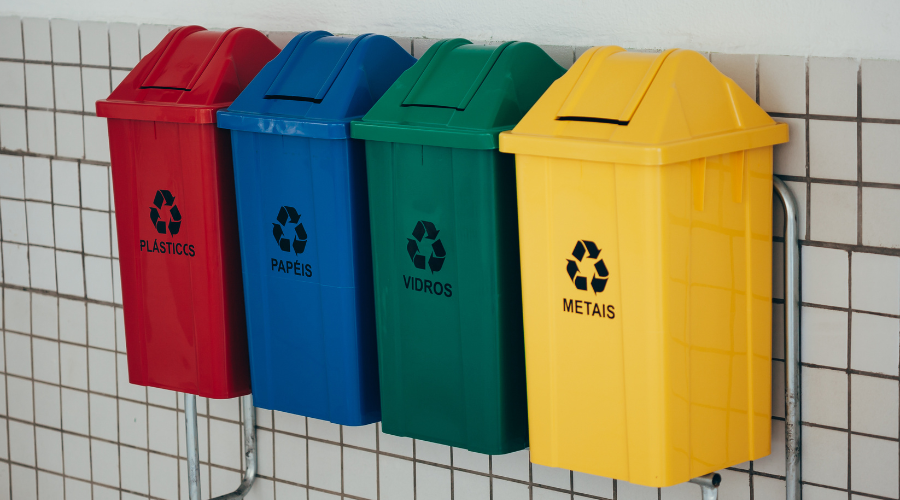
Most healthcare systems follow color-coded waste segregation. While rules vary by region, common examples include:
-
Yellow: Infectious and pathological waste
-
Red: Contaminated recyclable waste
-
Blue/White: Glassware and metallic sharps
-
Black: General non-hazardous waste
Staff must be trained regularly to follow this system correctly.
Common Mistakes in Medical Waste Handling
Even well-managed facilities can make errors. Some common mistakes include:
-
Mixing general and infectious waste
-
Overfilling sharps containers
-
Using thin or damaged bags
-
Storing waste for too long
-
Allowing untrained staff to handle waste
These mistakes increase risks and often lead to penalties.
For a deeper look at compliance errors and how to prevent them, you may also find these guides helpful: Top OSHA Dental Waste Disposal Mistakes and How to Avoid Them
Key Responsibilities of Healthcare Facilities
Every healthcare provider has legal and ethical duties related to waste management.
These include:
-
Training staff regularly
-
Providing proper containers and labels
-
Maintaining records of waste disposal
-
Working with licensed disposal partners
-
Following national and local regulations
Good medical waste disposal management reduces liability and builds patient trust.
One-Page Guide: What Goes Where (Quick Reference)
Below is a simple guide that many facilities use for daily operations:
-
Sharps containers → Needles, blades, lancets
-
Yellow bags → Blood-soaked materials, tissues
-
Red bags → Plastic tubing, gloves, IV sets
-
Blue/White containers → Broken glass, vials
-
Black bags → Paper, food waste, packaging
Following this system helps avoid confusion and keeps staff safe.
Role of Professional Waste Disposal Services
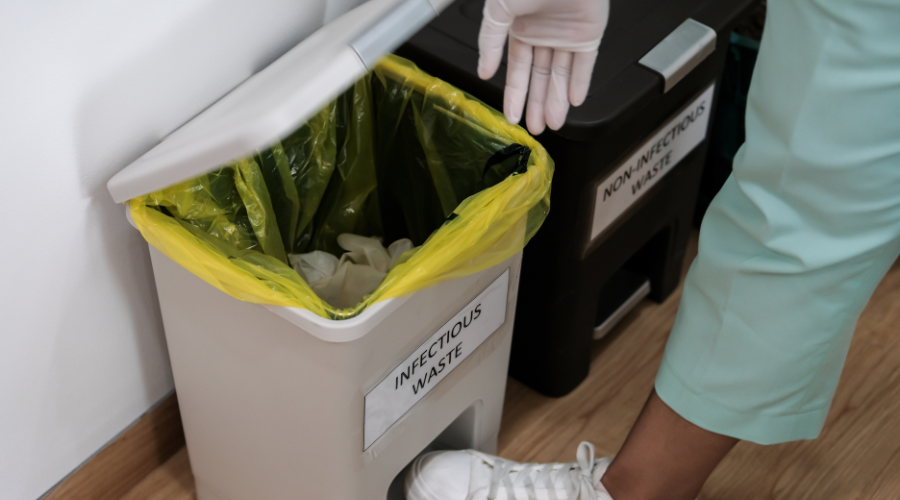
Many healthcare providers rely on licensed providers for collection, treatment, and disposal. These companies specialize in compliance and safety.
Using professional biohazard waste disposal services helps facilities:
-
Meet legal requirements
-
Reduce infection risks
-
Save staff time
-
Avoid costly mistakes
-
Maintain proper documentation
Reliable service partners also stay updated with changing regulations.
How Home Healthcare Waste Should Be Handled
Medical waste is not limited to hospitals. Home patients using insulin injections, wound care kits, or dialysis equipment also generate waste.
Basic guidelines for home users:
-
Never throw needles in household trash
-
Use approved sharps containers
-
Keep waste away from children
-
Return filled containers to authorized centers
-
Follow local collection programs
Home healthcare providers should educate patients about safe disposal.
Environmental Impact of Improper Disposal
Improper medical waste disposal harms nature in many ways.
It can:
-
Pollute rivers and groundwater
-
Release toxic gases
-
Harm animals
-
Increase landfill burden
-
Spread antibiotic resistance
Responsible disposal supports environmental protection and community health.
Legal Rules and Compliance
Medical waste is regulated by health and environmental authorities. These rules cover:
-
Packaging standards
-
Transportation guidelines
-
Treatment methods
-
Record keeping
-
Reporting requirements
Failure to comply can result in heavy fines, license suspension, or legal action.
Facilities must review regulations regularly and update their practices.
To better understand regulatory risks and common violations, explore Common Medical Waste Disposal Mistakes Healthcare Facilities Make for practical guidance.
How Mercy Medical Waste Supports Safe Disposal
Mercy Medical Waste works with healthcare providers to simplify waste handling and ensure compliance. By offering structured collection, secure treatment, and responsible disposal, they help organizations focus on patient care instead of worrying about waste risks.
Their systems support reliable medical waste disposal management through trained teams, proper documentation, and adherence to current safety standards.
When waste is managed properly, everyone benefits: patients, staff, and the community.
Choosing the Right Medical Waste Partner
Before selecting a service provider, healthcare facilities should consider:
-
Licensing and certifications
-
Treatment methods used
-
Compliance history
-
Emergency support availability
-
Clear reporting systems
A good partner acts as an extension of your safety program.
Frequently Asked Questions
Is all hospital waste dangerous?
No. About 70–80% of hospital waste is general waste. Only the remaining portion requires special handling. Proper segregation makes this distinction clear.
How often should medical waste be collected?
This depends on waste volume, climate, and regulations. Most facilities schedule collections weekly or more frequently for high-risk waste.
Can medical waste be recycled?
Some treated plastics and metals can be recycled after proper disinfection. Recycling must follow approved procedures.
Who is responsible for waste inside a facility?
The healthcare organization is responsible from generation to final disposal, even when using third-party services.
Building a Culture of Safety in Waste Management
Safe disposal is not just about bins and trucks. It is about awareness, habits, and accountability.
Facilities that succeed in waste management usually focus on:
-
Regular staff training
-
Clear signage
-
Routine audits
-
Open reporting of mistakes
-
Continuous improvement
When staff understand “why” behind the rules, compliance improves naturally.
Final Thoughts: Why Proper Medical Waste Disposal Matters
Medical waste is a hidden but powerful part of healthcare operations. When handled correctly, it protects lives, preserves the environment, and keeps organizations compliant. When ignored, it creates serious risks.
By following structured systems, working with experienced partners, and educating staff and patients, healthcare providers can build a safer future for everyone.
If your facility wants to simplify waste handling, reduce risk, and improve compliance, now is the right time to contact a trusted medical waste provider and request a service consultation or pickup schedule to get started.
A small action today can prevent major problems tomorrow.
