Preparing for a medical waste compliance audit comes down to three things: organised documentation, correct waste handling, and consistent staff training. If your systems are clear and followed daily, audits become routine rather than stressful.
This guide explains exactly how to prepare, what auditors expect, and how to build a system that keeps you compliant year-round.
What Is a Medical Waste Compliance Audit?
A medical waste compliance audit is a formal inspection of how your facility manages regulated waste—from the point it is generated to final disposal. Inspectors review your processes, documentation, and staff practices to ensure everything follows current regulations.
Audits may be scheduled or unannounced. They are typically conducted by regulatory agencies or third-party compliance bodies. The goal is not just enforcement but also ensuring public safety and environmental protection.
Facilities with structured medical waste disposal management systems usually perform better because their processes are already aligned with compliance standards.
Need help staying compliant without the stress? Schedule a medical waste pickup and keep your facility audit-ready from day one.
Why Audit Preparation Matters
Preparation is not just about passing an inspection—it directly impacts safety, reputation, and operational efficiency.
When your facility is well-prepared:
You reduce the risk of fines and penalties
Staff feel confident in their roles
Patients trust your safety standards
Daily operations become smoother and more predictable
Without preparation, even small mistakes can lead to serious compliance issues. Strong medical waste disposal management helps prevent these problems before they occur.
Before improving anything, you need to understand your current position. A compliance review acts as your baseline.
Begin by evaluating:
Current waste handling procedures
Existing documentation and records
Staff awareness and training levels
Vendor and disposal processes
This internal review helps identify gaps such as outdated policies, missing logs, or inconsistent practices. Fixing these early reduces pressure during an actual audit.
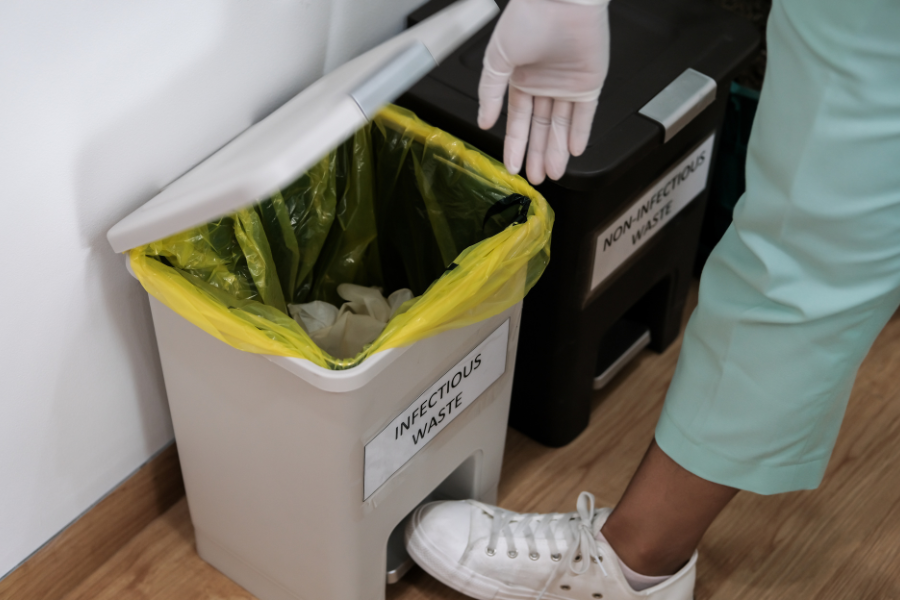
Proper waste classification is one of the most critical parts of compliance. Incorrect segregation is one of the most common reasons facilities fail audits.
Healthcare waste is typically divided into categories such as:
Infectious waste (items contaminated with blood or bodily fluids)
Sharps (needles, blades, and other piercing objects)
Each category requires specific handling, packaging, and disposal methods. Staff must clearly understand these differences to avoid cross-contamination and regulatory violations.
Staff training is essential for maintaining compliance. Even well-designed systems fail if employees are not properly trained.
Training should cover:
Waste segregation and classification
Safe handling and transport within the facility
Use of personal protective equipment (PPE)
Emergency procedures for spills or exposure
Regular refresher sessions help reinforce knowledge and keep staff up to date on regulatory changes. Ongoing training is a key part of effective Medical Waste Disposal Management.
Sharps containers must be puncture-resistant, and infectious waste must be stored in approved bags. Small labeling mistakes can lead to major compliance issues.
Work With a Reliable Waste Disposal Partner
Your waste disposal provider plays a critical role in your compliance process. They must follow all regulations and provide accurate documentation.
Waste storage areas must meet strict safety and hygiene requirements. These areas are often closely inspected during audits.
Make sure your storage area:
Is clean, well-ventilated, and secure
Has restricted access to authorised personnel only
Prevents exposure to the public
Meets time limits for waste storage
Proper storage reduces health risks and demonstrates strong operational control.
Prepare for Common Audit Questions
Auditors often ask staff questions to evaluate understanding and consistency.
Be prepared to answer:
How is medical waste classified in your facility?
What steps are followed during a spill or exposure incident?
How often is staff training conducted?
How is waste tracked from generation to disposal?
Clear and confident responses show that your processes are well understood and properly implemented.
Quick Audit Preparation Checklist
Use this checklist to prepare effectively before an audit:
Review and update all waste management policies
Ensure documentation is complete and organised
Inspect storage areas for compliance
Verify proper labeling and packaging of waste
Conduct staff training refreshers
Confirm waste pickup schedules and records
Check availability of PPE and safety equipment
Following this checklist supports consistent Medical Waste Disposal Management and reduces last-minute stress. Having clarity on compliance areas like HIPAA waste disposal risks can help staff answer confidently.
Compliance should be part of your daily routine, not just something you think about during audits.
Encourage:
Staff accountability and responsibility
Regular communication about safety practices
Continuous improvement of processes
Reporting of issues without hesitation
When compliance becomes part of your workplace culture, maintaining standards becomes much easier.
How Technology Can Help
Technology can simplify many aspects of compliance and improve accuracy.
Digital tools can assist with:
Tracking waste movement in real time
Managing training schedules and records
Storing and organising documentation
Preparing for audits efficiently
Using technology reduces manual work and helps maintain reliable Medical Waste Disposal Management.
Frequently Asked Questions (FAQs)
What happens during a medical waste compliance audit?
During an audit, inspectors review your documentation, observe your waste handling practices, and inspect storage areas. They may also ask staff questions to assess their knowledge.
How often do medical waste audits occur?
Audit frequency depends on your location and regulatory authority. Some facilities are audited annually, while others may face random inspections.
What documents are required for a medical waste audit?
You typically need waste tracking logs, disposal manifests, staff training records, and incident reports. These documents prove your compliance with regulations.
How can I improve my chances of passing an audit?
Maintain organised records, train your staff regularly, and conduct internal inspections. Consistency is key to passing audits successfully.
What are the most common reasons for audit failure?
Improper waste segregation, missing documentation, lack of training, and incorrect labeling are among the most common issues.
Can a waste disposal provider help with compliance?
Yes, a reliable provider can ensure proper waste handling, provide necessary documentation, and support your compliance efforts.
Final Thoughts
Preparing for a medical waste compliance audit is about staying organised, consistent, and proactive. When your systems are in place and your team is trained, audits become a routine part of your operations rather than a major challenge.
Focusing on strong Medical Waste Disposal Management protects your facility, supports staff safety, and ensures long-term compliance.
Take the Next Step Toward Compliance
Mercy Medical Waste supports healthcare facilities with reliable solutions that help maintain compliance and simplify waste processes.
If you’re ready to strengthen your system and stay prepared year-round, take the next step today. Learn how the right support can help you stay compliant with less effort—and move forward when you’re ready to get started.