
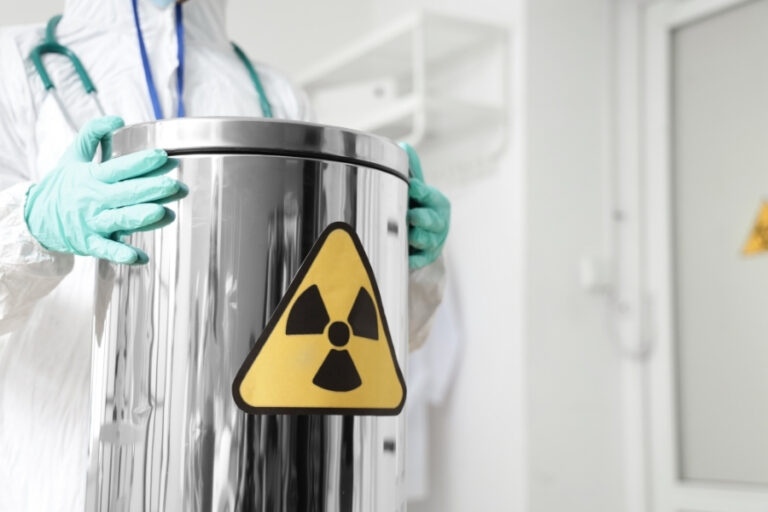
Medical waste disposal is not just about throwing things away. It is about protecting patients, healthcare workers, the community, and the environment. When done properly, medical waste disposal management keeps facilities compliant, safe, and efficient. But when mistakes happen, the consequences can be serious — from regulatory fines to health risks and damage to reputation.
At mercy medical waste, we work closely with healthcare providers to help them avoid these common pitfalls. In this guide, we’ll walk you through the most frequent medical waste disposal mistakes healthcare facilities make, why they happen, and how to prevent them.
This blog is written to be clear and easy to understand so that administrators, clinic owners, nurses, and staff can all benefit from it.
Why Proper Medical Waste Disposal Matters
Healthcare facilities generate different types of waste every day. This includes:
- Biohazard waste
- Sharps
- Pharmaceutical waste
- Hazardous drugs
- Pathological waste
- Chemical waste
- Confidential documents and digital data
Each category has its own handling and disposal requirements. Failing to follow proper medical waste disposal management practices can lead to:
- Infection risks
- OSHA and EPA violations
- Legal penalties
- Environmental contamination
- Data breaches
Let’s look at the most common mistakes and how your facility can avoid them.
1. Improper Segregation of Medical Waste
One of the biggest mistakes healthcare facilities make is not separating waste correctly at the source.
When biohazard waste, pharmaceutical waste, and regular trash are mixed together, it creates confusion, increases disposal costs, and can lead to compliance violations.
Why This Happens:
- Staff not properly trained
- Lack of clearly labeled containers
- Rushed workflows
Why It’s a Problem:
Improper segregation can turn non-hazardous waste into regulated waste, increasing disposal costs. It also puts sanitation workers and staff at risk.
How to Avoid It:
- Provide regular staff training
- Use clearly labeled color-coded containers
- Partner with professional biohazard waste disposal services
At mercy medical waste, we help facilities set up clear systems to improve segregation and reduce unnecessary expenses.
2.Ignoring Pharmaceutical Waste Regulations
Pharmaceutical Waste Management is heavily regulated, and many facilities unintentionally mishandle expired or unused medications.
Common Errors:
- Flushing medications down the drain
- Throwing drugs in regular trash
- Mixing controlled substances with general waste
Why This Is Dangerous:
Improper disposal can contaminate water systems and harm wildlife. It also violates federal and state regulations.
Best Practice:
Work with a licensed provider specializing in Pharmaceutical Waste Management and Hazardous Drug Disposal to ensure full compliance.
Proper documentation and tracking are critical. This is not an area where shortcuts are safe.
3. Mishandling Hazardous Drugs
Hazardous Drug Disposal requires extra precautions. These drugs can be toxic, carcinogenic, or harmful if exposed.
Common Mistakes:
- Disposing of chemotherapy drugs in standard pharmaceutical bins
- Lack of PPE during handling
- Using incorrect containers
Risks:
- Staff exposure
- Environmental contamination
- OSHA violations
Healthcare facilities must follow strict guidelines for hazardous drug segregation, labeling, and storage before disposal.
Working with experienced medical waste experts like mercy medical waste ensures that hazardous drug handling meets all regulatory standards.
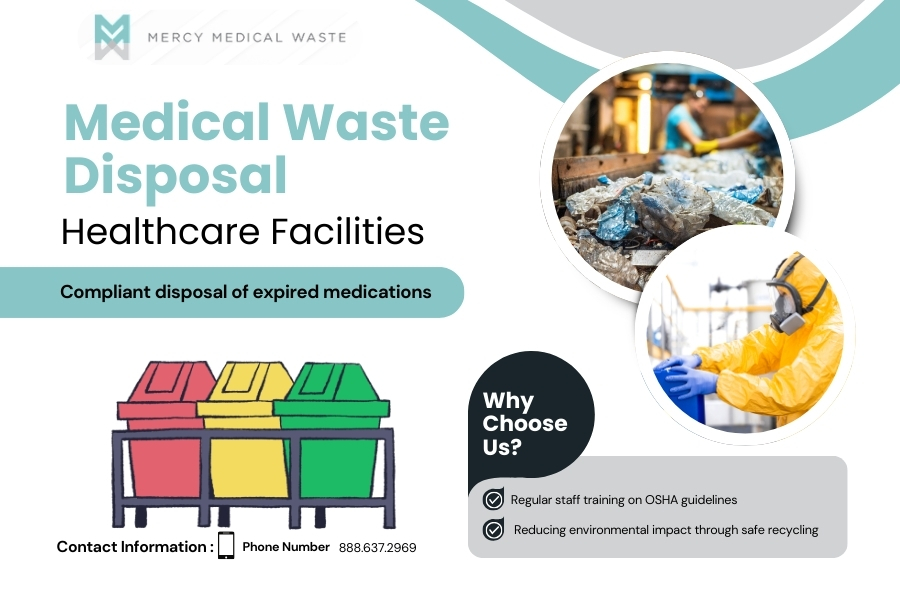
4. Improper Pathological Waste Disposal
Pathological Waste Disposal includes tissues, organs, body parts, and blood products.
This type of waste must be handled with extreme care and sensitivity.
Mistakes Include:
- Inadequate packaging
- Improper storage temperatures
- Delayed pickup
Why It Matters:
Improper handling can cause serious health hazards and create ethical and legal concerns.
Facilities should schedule reliable pickups and ensure compliant containers are used at all times.
5. Overlooking Commercial Chemical Waste Disposal
Many healthcare facilities use chemicals for cleaning, laboratory work, and diagnostics. These chemicals require proper commercial chemical waste disposal.
Common Errors:
- Pouring chemicals down drains
- Mixing incompatible chemicals
- Storing chemicals improperly
Consequences:
- Environmental damage
- Dangerous chemical reactions
- Regulatory fines
Chemical waste must be identified, categorized, and disposed of according to environmental regulations. Professional waste management companies help ensure safe handling.
6. Neglecting Medical Document Shredding
Medical waste isn’t just physical waste. Confidential information must also be protected.
Failing to use proper medical Document Shredding Services can lead to HIPAA violations.
Common Mistakes:
- Throwing patient files in regular trash
- Storing outdated files indefinitely
- Using in-house shredders without secure protocols
Why It’s Risky:
Data breaches are costly and damaging to reputation.
Professional medical Document Shredding Services ensure that patient information is destroyed securely and documented properly.
7. Ignoring One-Time and Recurring Shredding Needs
Some facilities assume shredding is a one-time task. In reality, document destruction should be part of ongoing compliance.
Options Include:
- One-time Shredding Services for large cleanouts
- Recurring Shredding for ongoing compliance
Without regular shredding schedules, sensitive documents pile up and increase risk.
At mercy medical waste, we help facilities create structured shredding plans tailored to their workflow.
8. Failing to Destroy Hard Drives Properly
Deleting files is not enough.
Healthcare facilities often forget about secure Hard-Drive Destruction when upgrading computers or disposing of old equipment.
Mistakes Include:
- Reselling devices without wiping data properly
- Physically storing old hard drives without destruction
- Relying on basic deletion software
Proper Hard-Drive Destruction ensures complete data elimination and prevents costly HIPAA violations.
9. Poor Staff Training and Awareness
Even the best systems fail without proper staff training.
Signs of Poor Training:
- Staff unsure about waste categories
- Improper labeling
- Overfilled sharps containers
Regular training sessions and refresher courses are essential for effective medical waste disposal management.
10. Choosing the Wrong Waste Disposal Partner
Not all waste disposal providers offer comprehensive services.
Healthcare facilities sometimes choose vendors based solely on price, without evaluating compliance expertise, service reliability, or documentation practices.
What to Look For:
- Licensed and certified services
- Full-service options including biohazard, pharmaceutical, chemical, and shredding services
- Transparent documentation
- Reliable pickup schedules
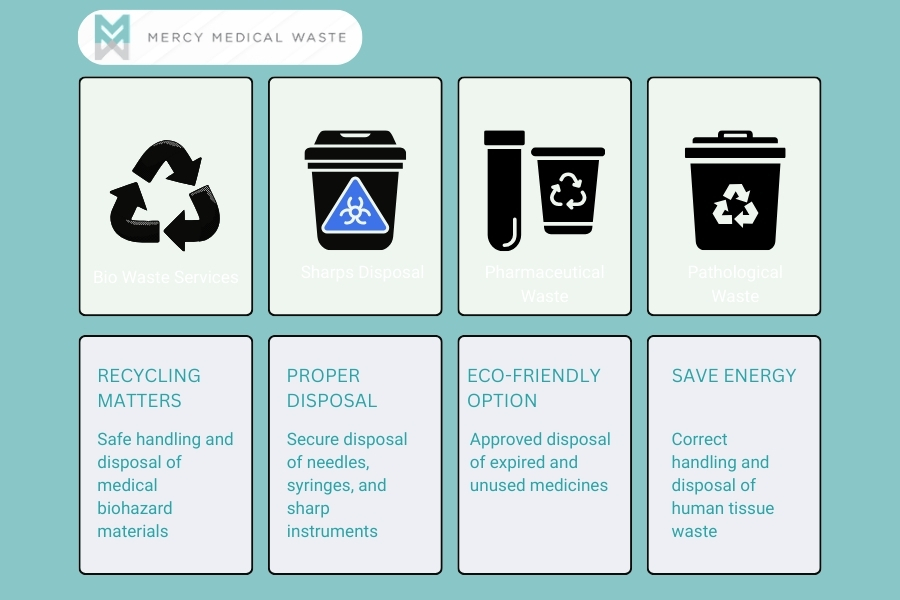
mercy medical waste offers complete solutions including:
- biohazard waste disposal services
- Pharmaceutical Waste Management
- Hazardous Drug Disposal
- Pathological Waste Disposal
- medical Document Shredding Services
- One-time Shredding Services
- Recurring Shredding
- Hard-Drive Destruction
- commercial chemical waste disposal
Working with a trusted partner simplifies compliance and protects your facility.
How to Build a Strong Medical Waste Disposal System
To avoid these mistakes, healthcare facilities should:
- Conduct regular waste audits
- Train staff consistently
- Clearly label waste containers
- Maintain proper documentation
- Schedule reliable pickups
- Use professional waste disposal and shredding services
A proactive approach to medical waste disposal management reduces risks, lowers costs, and ensures regulatory compliance.
The Financial Impact of Medical Waste Mistakes
Improper disposal doesn’t just create health risks — it affects your bottom line.
Potential costs include:
- Regulatory fines
- Legal fees
- Cleanup costs
- Increased disposal fees
- Reputation damage
- Data breach penalties
Investing in professional waste management services is often far less expensive than dealing with compliance violations.
Conclusion: Protect Your Facility with Professional Medical Waste Solutions
Medical waste disposal mistakes can put your staff, patients, and business at serious risk. From biohazard waste disposal services to Pharmaceutical Waste Management, Hazardous Drug Disposal, Pathological Waste Disposal, and commercial chemical waste disposal, every category requires specialized handling.
In addition, secure medical Document Shredding Services, One-time Shredding Services, Recurring Shredding, and Hard-Drive Destruction are essential for protecting sensitive information.
At mercy medical waste, we are committed to helping healthcare facilities maintain full compliance, improve safety, and simplify their waste management processes.
If you want to strengthen your medical waste disposal management system and avoid costly mistakes, contact us today. Our team is ready to provide reliable, compliant, and professional solutions tailored to your facility’s needs.
Frequently Asked Questions (FAQ)
Q. What is medical waste disposal management?
Medical waste disposal management refers to the proper handling, segregation, storage, transportation, and disposal of healthcare-generated waste to ensure safety and regulatory compliance.
Q. Why is Pharmaceutical Waste Management important?
Improper pharmaceutical disposal can contaminate water supplies and harm the environment. Professional Pharmaceutical Waste Management ensures medications are disposed of safely and legally.
Q. How often should healthcare facilities schedule shredding services?
It depends on document volume. Many facilities benefit from Recurring Shredding, while others may use One-time Shredding Services for periodic cleanouts.
Q. Is Hard-Drive Destruction necessary if files are deleted?
Yes. Deleting files does not permanently remove data. Professional Hard-Drive Destruction ensures complete and secure data elimination.
