
Medical waste disposal Orange County services help healthcare facilities safely manage regulated waste while meeting California health and safety standards. Mercy Medical Waste provides reliable collection, treatment, and disposal solutions designed to protect healthcare workers, patients, and the surrounding community.
Healthcare facilities generate different types of regulated waste every day. Proper handling is essential to maintain safety standards and avoid compliance risks. Our team supports hospitals, clinics, laboratories, and healthcare providers across Orange County with dependable waste management programs tailored to their operations.
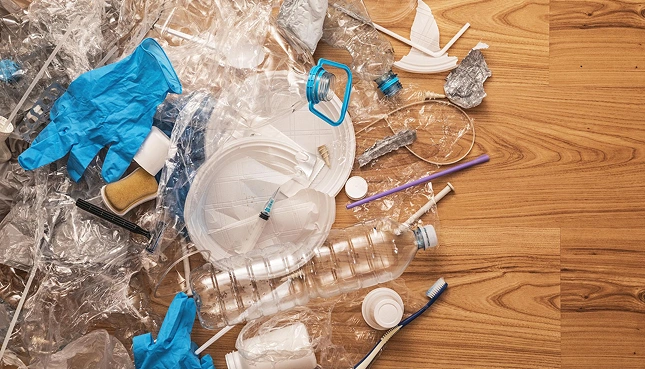
Healthcare environments produce biohazardous materials that require careful handling to prevent contamination and environmental harm. These materials include sharps, infectious waste, pharmaceutical products, and other regulated substances.
Professional waste disposal services simplify this process. With scheduled pickups, approved containers, and secure disposal methods, facilities can focus on patient care while staying compliant. Mercy Medical Waste works with healthcare organizations of all sizes to deliver customized waste management solutions aligned with their needs.
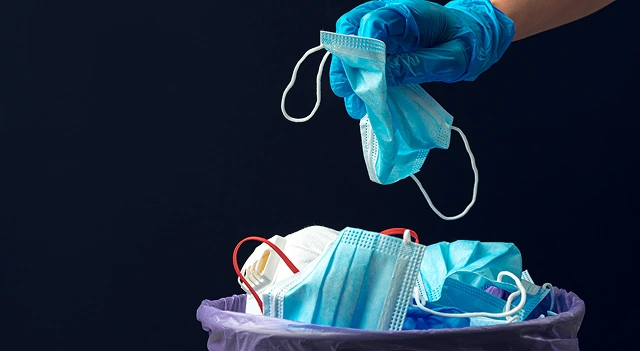
Healthcare providers require specialized solutions to manage different waste streams safely. Mercy Medical Waste offers a complete range of services designed for compliance and efficiency.
Safe collection and disposal of infectious materials such as needles and syringes.
Proper handling of expired or unused medications to prevent misuse and environmental impact.
Secure removal of high-risk medications that require specialized procedures.

Compliant disposal of pathological materials and chemotherapy-related waste.
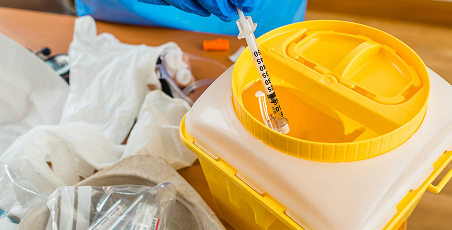
Confidential destruction of patient records and sensitive information.
Responsible handling of chemical and non-biological hazardous waste.
Complete solutions covering collection, transportation, treatment, and disposal, including biohazard waste .
Healthcare facilities in Orange County must follow strict California regulations for handling medical waste. These guidelines define how waste should be segregated, stored, transported, and treated to protect public health and the environment.
Request a quote or pickup frequency that fits your facility's schedule.
Our trained team ensures your waste is handled safely and securely from your facility to our processing centers.
Every container is tracked with a complete chain of custody and accompanying manifests, giving you full documentation and peace of mind that your waste is handled properly and compliantly.
We strictly follow OSHA, EPA, and DOT regulations at every stage, keeping your facility compliant and your staff protected.
All waste is disposed of in accordance with best practices, minimizing environmental impact while maximizing safety.
Mercy Medical Waste supports a wide range of industries that generate regulated healthcare waste, including hospitals, clinics, dental offices, laboratories, pharmacies, and veterinary facilities.
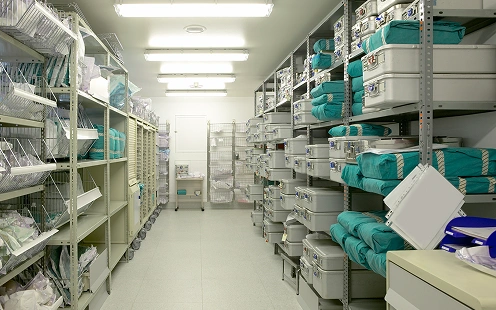
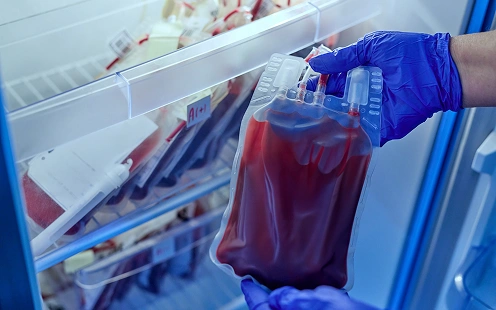
Whether you operate a single clinic or multiple facilities, we customize pickup frequency, waste containers, and pricing to fit your exact needs.
Healthcare providers rely on dependable waste management solutions to maintain safe operations. Our Medical Waste Disposal Orange County services are designed to simplify waste handling while ensuring full compliance with regulations.

As a trusted provider of medical waste disposal services in Orange County, Mercy Medical Waste supports facilities throughout the region.
Medical waste should be stored in clearly labeled, leak-proof, and puncture-resistant containers to prevent exposure and contamination. Facilities must keep waste in secure areas with limited access and ensure it is protected from weather, pests, and unauthorized handling. Storage time limits may apply depending on waste type. Proper storage helps maintain safety standards and ensures compliance with Orange County and California medical waste regulations before scheduled collection.
After collection, medical waste is transported to licensed treatment facilities where it is processed using approved methods such as autoclaving or incineration. These processes destroy harmful pathogens and reduce the risk of contamination. Once treated, the waste is rendered non-hazardous and disposed of according to environmental regulations. This step ensures that healthcare waste does not pose a threat to public health or the environment.
Yes, improper medical waste disposal can result in significant penalties, including fines and legal action. Violations may occur if waste is not properly segregated, stored, labeled, or disposed of according to regulations. Non-compliance can also increase the risk of contamination and injury. Working with a licensed disposal provider helps healthcare facilities avoid these risks and ensures adherence to all local and state requirements.
Small clinics may generate less waste, but they are still required to follow strict disposal regulations. Managing medical waste without a professional provider can be challenging due to compliance requirements and safety risks. Licensed disposal services offer proper containers, scheduled pickups, and certified treatment methods, making it easier for clinics to stay compliant and maintain safe operations without added burden.
Biohazard waste includes materials that contain infectious agents, such as blood-soaked items, sharps, and lab cultures. General medical waste may include non-infectious items generated in healthcare settings. Proper segregation is essential because biohazard waste requires specialized handling, treatment, and disposal. Mixing these waste types can increase risks and lead to regulatory violations, making proper classification a critical part of medical waste management.
Healthcare facilities maintain compliance by following proper waste segregation, storage, labeling, and disposal practices. They must also keep documentation, such as manifests and disposal records, to track waste handling. Partnering with a licensed medical waste disposal provider simplifies compliance by ensuring all procedures meet regulatory standards. Regular staff training and updated waste management plans also help facilities stay aligned with current laws.
Modern medical waste disposal methods are designed to reduce environmental impact while maintaining safety. Technologies like autoclaving minimize emissions compared to traditional incineration. Licensed providers follow strict environmental guidelines to ensure waste is treated and disposed of responsibly. By using professional services, healthcare facilities can manage waste safely while supporting environmentally responsible practices.
Medical waste is stored in specific containers based on the type of waste. Sharps are placed in puncture-resistant containers, while biohazard waste is stored in red bags or labeled bins. Pharmaceutical and chemical waste may require specialized containers. Using the correct container ensures safe handling, prevents leaks or injuries, and helps facilities comply with regulatory requirements for proper waste segregation and disposal.